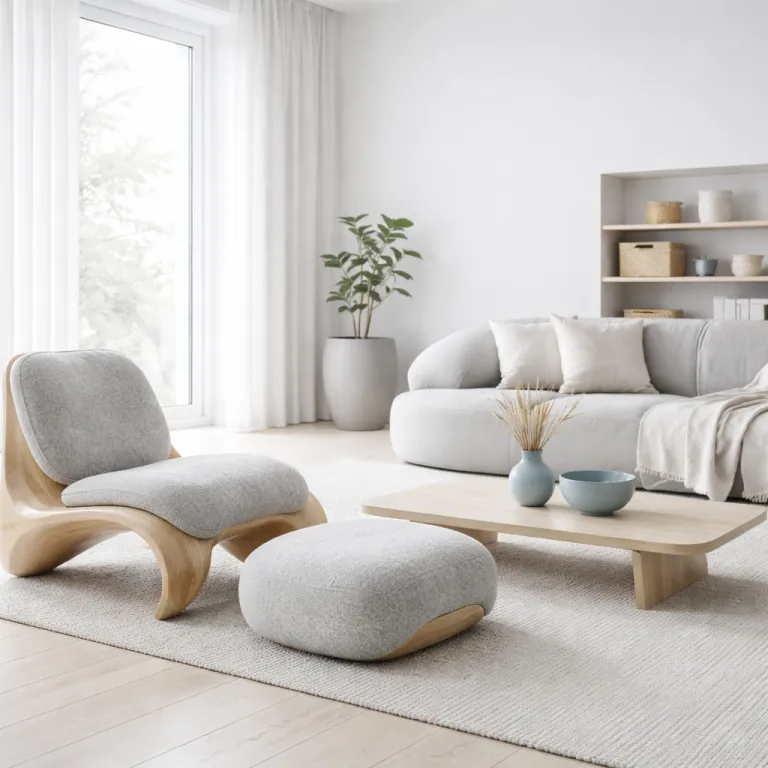
From worthy to wanted: how sensual sustainability reshapes luxury apartments
Sustainable luxury apartment design has quietly shifted from worthy add on to core expectation. In the most compelling apartments, eco friendly choices now heighten pleasure, from the way natural light moves across the interior to the way the living room absorbs city noise. This is sensual sustainability, where every design decision must feel as good as it performs.
In this new generation of luxury apartment and serviced apartments, the focus is on what you can touch, smell and hear rather than on framed certificates. Soft limewashed walls, warm timber floors and low VOC paints create luxury interiors that literally change the air quality in the apartment interior, while high performance glazing keeps the room design calm and acoustically insulated. Families used to traditional luxury apartments quickly notice that children sleep better, because the interior designs prioritise silence, clean air and thermal comfort as much as visual drama.
Developers such as Madrone Passive House in Seattle and The Verdesian in New York show how design luxury can be both rigorous and indulgent. Their apartments use Passive House and LEED Platinum standards to cut energy use by around half, yet the living spaces feel more like crafted luxury homes than experimental prototypes. For travellers booking a modern apartment through a curated platform, this means you can choose a luxurious flat that offers high comfort, lower impact and a more grounded sense of luxury living without sacrificing the best parts of a city stay.
The materials of sensual sustainability: what you will actually feel
When you walk into a genuinely sustainable luxury apartment, the first signal is often underfoot. Wide plank timber, recycled stone and natural textiles give the interior design a quiet tactility, while smart finishes avoid the gloss that shows every fingerprint. These materials are chosen not only for low embodied carbon but also for how they age, so the apartment design feels better after every stay rather than more tired.
Energy performance sits in the background, but it shapes daily living in very direct ways. Passive House style envelopes, like those at Madrone Passive House, can deliver around 50 % energy savings compared with conventional apartments, which means fewer draughts, more stable temperatures and less need for aggressive air conditioning in each room. In a family friendly luxury apartment, that translates into children playing barefoot on warm floors, parents sleeping without the hum of a unit in the living room and everyone waking to soft daylight rather than mechanical noise.
Water efficient fixtures and high efficiency appliances, common in LEED Platinum buildings such as The Verdesian, can cut water use by roughly 50 % while still feeling generous. For guests, that means powerful showers, well designed kitchens and laundry spaces that support longer stays without guilt or compromise. When you see all inclusive sustainable luxury pricing explained clearly in a listing, as in guides to transparent all in pricing for luxury stays, you can also understand how these efficiencies support both the business model and your total trip budget.
Light, air and silence: the new essentials for eco luxury families
For design conscious families, the real test of sustainable luxury apartment design is how it handles light, air and sound. Natural light is now treated as a primary material, with large openings, deep window seats and layered lighting that shift the mood of the living room from play zone to evening retreat. Good apartments use a mix of architectural lighting and warm task lamps so the room design feels intimate even in a high rise setting.
Indoor air quality has become a quiet obsession among leading real estate developers and eco friendly operators. High grade filtration, low emission finishes and generous cross ventilation mean that eco apartments in dense districts can still offer crisp, neutral air, which is especially valuable for children and sensitive travellers. As one expert summary puts it, "How do eco-friendly apartments benefit residents? Lower utility costs, improved air quality, and enhanced comfort."
Sound is the third pillar of sensual sustainability, and it is often overlooked in more conventional luxury interiors. In the best modern apartment projects, acoustic insulation, soft textiles and thoughtful interior designs create a cocoon like living space even in lively neighbourhoods from Bangalore to Brisbane. If you are comparing options on a booking platform, look for listings that mention acoustic glazing, solid doors and separated bedrooms, then cross check with in depth reviews of refined eco friendly luxury accommodations in Brisbane to understand how these specifications translate into real world sleep quality.
Why serviced apartments have a natural sustainability advantage over hotels
Apartment style stays start with a structural advantage when it comes to sustainability. With fewer shared spaces to heat, cool and light, a luxury apartment can deliver lower energy use per guest than a comparable hotel, especially when combined with Passive House envelopes or LEED level systems. Families cooking in their own homes style kitchens also reduce food waste and packaging, because they can shop local markets and use ingredients over several meals.
Laundry is another quiet win for both eco friendly performance and guest comfort. In a serviced modern apartment, you decide when to wash towels and linens, which dramatically cuts water and energy use compared with daily hotel service while giving you control over the softness and scent of your textiles. Buildings such as ECO PHX in Phoenix show how this model, combined with smart systems and high efficiency appliances, can support both long stay guests and shorter city breaks without compromising on luxury living standards.
From a design perspective, apartments also allow more tailored interior design ideas than many large hotels. Developers can create distinct apartment interior schemes for different bhk flats or villas style units, optimising space, lighting and storage for families, couples or solo travellers. When you browse curated collections such as elevated penthouse stays in Washington DC on refined urban apartment escapes, you will notice how the best listings highlight cross ventilation, orientation for natural light and flexible living room layouts as clearly as they highlight marble worktops or high thread count linens.
How to read a listing: separating sensual sustainability from greenwash
For travellers, the challenge is not finding the words sustainable luxury apartment design in a listing, but understanding what sits behind them. Start by looking for specific certifications such as Passive House or LEED Platinum, then read how the host explains energy systems, water use and materials in the apartments. Vague claims about being green without mention of real estate standards, energy savings or indoor air quality should raise questions.
Next, scan the photos and captions for clues about the interior and the way you will actually live in the space. Do you see generous natural light in the living room at different times of day, or only moody evening shots that hide the orientation of the apartment design ? Are there images of real families using the kitchen, bhk style bedrooms and flexible room design layouts, or only styled corners that say little about comfort for longer stays ?
Finally, read guest reviews with an eye for sensory details rather than generic praise. Comments about quiet nights despite central locations, stable temperatures without heavy air conditioning, or the pleasure of opening windows to fresh air all signal genuine eco friendly performance. When multiple guests mention that the best part of their stay was how the luxury interiors made them feel at home, you are likely looking at a property where design luxury, smart systems and thoughtful interior designs have been woven into a truly sustainable form of luxury living.
FAQ
What is a Passive House apartment and why does it matter for guests ?
A Passive House apartment follows a rigorous building standard that focuses on extreme energy efficiency, airtight construction and high quality insulation. For guests, this means very stable indoor temperatures, fewer draughts and much lower energy use during each stay. The result is a quieter, more comfortable luxury apartment that feels naturally temperate without constant mechanical heating or cooling.
How can I tell if a serviced apartment is genuinely eco friendly ?
Look for clear references to recognised standards such as Passive House or LEED, and for specific claims about energy savings, water reduction and indoor air quality. Serious operators often mention high efficiency appliances, low VOC finishes and renewable energy sources rather than just using generic green language. Reviews that highlight quiet interiors, fresh air and good natural light are another strong indicator of authentic sustainable design.
Do sustainable luxury apartments cost more to book than traditional options ?
Nightly rates for sustainable luxury apartments can be similar or slightly higher than conventional properties in the same neighbourhood. However, lower utility demands, efficient lighting and reduced laundry often translate into better long term operating costs for owners, which can stabilise pricing. For guests, the value comes through improved comfort, healthier interiors and the ability to cook and live more like at home, which can reduce overall trip expenses.
Why are apartments often more sustainable than full service hotels for families ?
Apartments typically have fewer shared spaces and services, so they use less energy and water per guest than large hotels. Families can cook in their own kitchens, wash clothes on their own schedule and avoid daily linen changes, all of which reduce resource use. This model also supports more personal control over comfort, from room design and lighting to ventilation and noise levels.
What should I prioritise when choosing a sustainable apartment for a family stay ?
Focus on good natural light, clear ventilation strategies and acoustic comfort before you look at decorative finishes. Check that the layout offers a separate living room and bedrooms, especially in bhk flats or multi room apartments, so children can sleep while adults still use the space. Finally, choose properties close to public transport and local markets, which makes it easier to live like residents and reduce your reliance on taxis or room service.