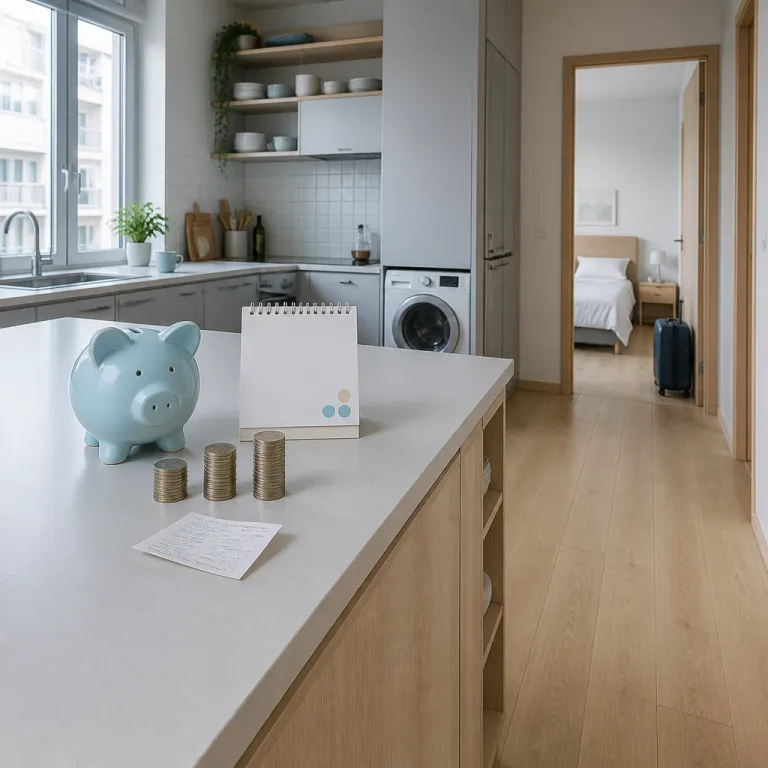
Serviced apartment vs hotel cost comparison for urban luxury escapes
For design conscious travelers, the serviced apartment vs hotel cost comparison starts with one simple question. When does an elegant apartment stay in London, Amsterdam or Lisbon become objectively better value than an equally polished hotel, without compromising on service or comfort ? The answer sits at the intersection of nightly rate, length of stay, and how you actually live in the space.
Across major European capitals, serviced apartments now compete directly with four and five star hotels on both price and experience, especially for longer stays that blend business and leisure. In London, for example, recent Global Serviced Apartments Industry Report data shows an average daily rate around GBP 209 for high quality serviced apartments, while comparable four star hotels often sit between GBP 250 and GBP 350 per night once taxes and fees are included. That gap widens further when you factor in the way a fully equipped kitchen, in apartment laundry and a dedicated living room reduce your daily spend on restaurants, dry cleaning and paid workspaces.
For a traveler weighing a serviced apartment vs hotel cost comparison, the first step is to define what you actually need from your stay. Solo executives on a short term trip may prioritise a central hotel with a compact hotel room and strong business service, while couples or families often value the extra space and privacy of a fully furnished apartment hotel where separate bedrooms and a generous living area change the rhythm of the trip. The dataset we work with is clear on one point ; “When do apartments become cheaper than hotels? For stays longer than 4–5 nights, apartments often become more cost-effective.”
Luxury serviced apartments and premium apartments hotels are no longer a compromise solution for awkward term stays between corporate housing and classic hotels. They are now a deliberate choice for guests who want the autonomy of an apartment, the reassurance of hotels serviced by professional teams, and the ability to shape each stay around their own schedule. In this context, the serviced apartment vs hotel cost comparison becomes less about headline rates and more about total cost of living, from your first espresso in the kitchen to the last email sent from the dining table that doubles as a generous workspace.
How to calculate the true nightly cost of an apartment stay or hotel
To understand the real break even point between an apartment stay and a hotel stay, you need to move beyond the rate shown on the booking screen. The most accurate serviced apartment vs hotel cost comparison starts with a simple framework ; nightly rate plus food, laundry, workspace and local transport, minus any savings created by the way the space is designed. Once you run those numbers for your specific itinerary, the picture usually shifts in favour of longer stays in a serviced apartment.
Begin with the base rate for both options, then add every mandatory fee that affects the total cost of the stay. For hotels, that means resort or facility charges, city tax, and any premium you pay for a larger hotel room or club level access that gives you a semi private living area. For a serviced apartment or hotel apartment, you need to include cleaning fees, any separate service charge, and utilities if they are billed separately for long term or extended stay bookings, especially in high demand urban districts.
Next, calculate how the layout and equipment of the space change your daily spending pattern. A fully equipped kitchen in a serviced apartment allows you to replace at least one restaurant meal per day with groceries, which in cities like Amsterdam or Barcelona can reduce your food cost by 30 to 40 percent over a week long stay. In a premium apartment hotel, a fully furnished living and dining area often doubles as a credible workspace, which means you can skip paid coworking passes and work comfortably from your own apartments during an extended stay that blends meetings and remote work ; for concrete examples of such remote ready apartments, see this guide to luxury apartments built for remote work.
Do not forget laundry and incidental services, which are often overlooked in a serviced apartment vs hotel cost comparison. In a traditional stay hotel, laundry is usually charged per item and can quickly add a significant amount to the total cost for longer stays, especially on corporate trips where dress codes still matter. Service apartments with in unit washers and dryers turn that into a negligible grocery line, while hotels offer daily housekeeping and turndown service that may be valuable for very short term stays but less critical once you settle into a rhythm of living in the city rather than simply passing through.
The break-even point by city tier: London, Amsterdam, Berlin, Lisbon, Barcelona
The serviced apartment vs hotel cost comparison changes subtly from city to city, but the pattern is consistent. In high rate markets such as London and Amsterdam, the break even point where a serviced apartment becomes cheaper than a comparable hotel often arrives around night four or five, especially for travelers who use the kitchen and laundry regularly. In more moderately priced cities like Berlin or Lisbon, the tipping point may slide slightly, but the logic remains the same ; the longer you stay, the more the apartment model rewards you.
London is the clearest example, with serviced apartments averaging around GBP 209 per night in the upper midscale and luxury segment, while four star hotels frequently command GBP 250 to GBP 350 once taxes and fees are included. For a five night stay, that difference alone can cover several restaurant meals or a private transfer from the airport, and when you add savings from cooking breakfast in your own apartment and using in house laundry, the total cost gap widens further. Amsterdam follows a similar pattern, where apartments hotels and high quality service apartments in the canal belt or Zuid often undercut equivalent stay hotels on a per night basis once you factor in the value of extra space and reduced ancillary spending.
Berlin and Lisbon offer a slightly different dynamic, with more balanced pricing between hotels and serviced apartments but a strong advantage for longer stays. In these cities, the serviced apartment vs hotel cost comparison often hinges on how you use the living space ; if you are working remotely for part of the day, the ability to spread out in a separate living room and use a proper table as a desk can replace the need for coworking memberships. Barcelona sits somewhere between Amsterdam and Lisbon, with a growing inventory of hotels serviced apartments and luxury apartment hotel options that appeal to both corporate travelers and families planning long term or extended stay trips ; for a detailed city by city overview of European extended stay markets, consult this European serviced apartment guide for extended stays.
Across these five cities, one structural trend shapes the serviced apartment vs hotel cost comparison for discerning guests. The European extended stay market is adding around 16,500 rooms over a five year period, with roughly 30 percent of that growth in the United Kingdom and 20 percent in Germany, which includes Berlin and other corporate hubs. As supply increases and more hotels offer extended stay wings or hybrid hotel apartment concepts, travelers gain leverage to negotiate better rates for longer term stays, especially when booking through corporate travel programmes or specialist platforms that understand the nuances of apartments offer structures and term stays discounts.
When shorter stays still favour apartments: families, groups and multi-room bookings
While the serviced apartment vs hotel cost comparison usually tilts towards apartments after four or five nights, there are scenarios where even a two or three night stay hotel alternative makes financial sense. Families, small groups and travelers needing multiple rooms often reach the break even point much earlier, because they can consolidate several hotel rooms into one larger apartment with shared living space. The result is a lower cost per person, plus a more relaxed way of living together in the city.
Consider a family of four heading to Barcelona for a three night city break, planning to stay in the Eixample or near the beach. Two adjoining hotel rooms in a premium four star property might cost significantly more than a two bedroom serviced apartment with a generous living room and a fully equipped kitchen, especially once you add breakfast and snacks for children. In an apartment hotel, that same family can prepare simple meals, spread out toys and laptops in the living area, and use the bedrooms purely for sleeping, which changes the entire experience of the stay and often reduces friction between different travel styles within the group.
Groups of friends or colleagues face a similar equation when comparing apartments hotels with traditional stay hotels. Three or four adults sharing a high quality hotel apartment or fully furnished service apartments in Amsterdam or Lisbon can often secure more square metres per person at a lower total cost than booking separate hotel rooms, particularly on busy weekends when hotels offer dynamic pricing that pushes rates higher. For these travelers, the serviced apartment vs hotel cost comparison is less about housekeeping frequency and more about how the shared living space supports late night conversations, informal meetings or quiet work sessions without needing to retreat to individual rooms.
There is also a subtle psychological benefit that matters for design conscious travelers who care about how a space feels. Waking up in an apartment where the morning light moves across a proper living room, rather than a compact hotel room, can make even a short term trip feel more like a mini residency in the city. When you add the ability to host a client for coffee at your own dining table or to unpack properly into wardrobes rather than living out of a suitcase, the value of an apartment stay extends beyond pure cost and into the quality of the experience, even when the official length of stay is only a long weekend.
Monthly vs weekly rates, hidden costs and the mechanics of extended-stay pricing
Once you cross the threshold into multi week or multi month travel, the serviced apartment vs hotel cost comparison becomes even more decisive. Extended stay pricing in apartments hotels and hotels serviced with long term wings follows a different logic from nightly hotel rates, with discounts that deepen as the duration of the stay increases. For executives turning a project into a longer stays assignment or remote workers relocating temporarily, understanding these mechanics can unlock substantial savings without sacrificing comfort.
Most high quality serviced apartments and service apartments structure their pricing in tiers ; nightly rates for short term bookings, weekly rates for stays of seven nights or more, and monthly rates for long term or term stays that extend beyond twenty eight or thirty nights. The step down between each tier can be significant, especially in cities where landlords and operators value occupancy stability, and it is common to see effective nightly rates drop by 20 to 40 percent once you commit to a full month in a serviced apartment. Hotels offer extended stay packages as well, but these often come with restrictions on housekeeping frequency or limited access to certain services, which can narrow the gap between a classic hotel room and a fully furnished hotel apartment designed for living rather than just sleeping.
Hidden costs can erode these savings if you do not read the fine print carefully. Some apartments offer attractive base rates but add substantial cleaning fees, checkout charges or separate utility bills for electricity and heating on longer stays, which can push the true cost closer to that of a stay hotel in the same neighbourhood. Hotels, on the other hand, may include daily cleaning and utilities in the rate but charge premium prices for laundry, parking or meeting room hire, so a rigorous serviced apartment vs hotel cost comparison must include every recurring expense you are likely to incur over the full duration of the stay.
For travelers who value both design and discretion, monthly stays in a luxury apartment hotel can also open up a different category of property, such as branded residences or high end apartments hotels attached to major hospitality names. A good example is the refined coastal living concept at The Residences at Mandarin Oriental, Boca Raton, where a residential style environment combines with hotel level service to create a hybrid model that suits both corporate and leisure term stays ; you can explore this type of property in more detail through this overview of refined coastal living at branded residences. In these contexts, the serviced apartment vs hotel cost comparison is not only about saving money but about accessing a different tier of privacy, amenities and architectural quality that would be prohibitively expensive in a traditional hotel format over the same duration.
Corporate bookings, sustainability and why length of stay now shapes strategy
For corporate travelers and the teams who manage their itineraries, the serviced apartment vs hotel cost comparison is no longer a side note ; it is a strategic lever. Companies with frequent travelers have learned that longer stays in serviced apartments can reduce total trip cost while improving employee wellbeing, especially for assignments that blend meetings with remote work days. The duty of care dimension also matters, as having a consistent apartment base with kitchen, laundry and defined living zones can make extended travel less disruptive to everyday routines.
Corporate travel managers increasingly negotiate separate rate structures for serviced apartments, apartments hotels and traditional stay hotels, recognising that each category serves a different type of trip. For a three night client visit with back to back meetings, a central hotel with strong business service and a well equipped hotel room may still be the most efficient choice, particularly when proximity to a specific office or convention centre is critical. For a three week project in Berlin or a six week relocation to Lisbon, however, a serviced apartment with a fully equipped kitchen, generous living room and reliable workspace usually delivers a better balance of cost, comfort and productivity, especially when booked under a corporate agreement that locks in favourable long term rates.
Sustainability is another factor reshaping the serviced apartment vs hotel cost comparison for corporate guests. Recent industry data shows that around 76 percent of bookings in the EMEA region now go to properties with public sustainability commitments, a trend that spans both hotels and serviced apartments but often plays out differently in each category. Many newer apartments hotels and service apartments are built with energy efficient systems and thoughtful use of space, which can reduce both environmental impact and operating costs over longer stays, while hotels offer established reporting frameworks that make it easier for companies to track their environmental KPIs across large volumes of stays.
From a traveler’s perspective, the most successful corporate stays are those that feel less like a sequence of anonymous hotel rooms and more like a series of temporary homes in different cities. That is where the serviced apartment vs hotel cost comparison intersects with the emotional side of travel ; the ability to cook a familiar meal after a long day, to leave a yoga mat unrolled in the corner of the living room, or to host a colleague for a quiet debrief at your own dining table. When companies recognise this and design their travel policies to support longer stays in thoughtfully designed apartments, they often see better retention of talent, higher satisfaction scores and a more sustainable pattern of travel that respects both budgets and people.
How to decide: a practical framework for your next urban luxury stay
When you are planning your next trip to London, Amsterdam, Berlin, Lisbon or Barcelona, the serviced apartment vs hotel cost comparison should be one of the first filters you apply. Start by defining the purpose of your stay, the number of guests and the minimum amount of space you need to feel comfortable, then map those requirements against both serviced apartments and hotels in your preferred neighbourhoods. This simple exercise often reveals that an apartment stay delivers more living space and a richer experience for the same or lower total cost, especially once you cross the four or five night threshold.
Use a structured checklist to compare options ; base rate per night, mandatory fees, kitchen quality, laundry access, workspace, and proximity to the places you will actually visit during your stay. For a solo executive on a short term trip, a well located stay hotel with a quiet hotel room and strong business service may still be the most efficient choice, particularly if the schedule leaves little time to use a kitchen or living room. For couples, families or colleagues sharing an itinerary, a fully furnished apartment hotel or high quality service apartments often provide better value, because the cost is shared across more guests while the benefits of extra space, privacy and autonomy multiply.
Finally, consider how you want the trip to feel, not just what you want to pay. If you are extending a corporate trip into a long weekend, an apartment stay can create a clear psychological shift from meetings to leisure, especially when the living room becomes a place to read, cook or simply watch the city move outside your windows. For longer stays that stretch into weeks or months, the serviced apartment vs hotel cost comparison almost always favours apartments hotels and hotels serviced with residential style wings, because they are designed for living rather than just sleeping, and that difference shapes every morning coffee, every late night email and every quiet moment between the highlights of the trip.
Key figures that shape the serviced apartment vs hotel cost comparison
- Average daily rates for high quality serviced apartments in London sit around GBP 209, while comparable four star hotels often range from GBP 250 to GBP 350 per night once taxes and fees are included, which creates a clear price advantage for longer stays in apartments.
- Industry analysis of booking patterns indicates that for many urban markets, the break even point where apartments become cheaper than hotels typically occurs after four to five nights, especially when guests use the kitchen and laundry facilities regularly.
- The European extended stay sector is expected to add approximately 16,500 rooms over a five year period, with around 30 percent of this growth in the United Kingdom and 20 percent in Germany, which increases choice and competitive pricing for travelers considering long term stays.
- In the EMEA region, roughly 76 percent of bookings now go to properties that have made public sustainability commitments, a trend that influences both hotel and serviced apartment development and shapes corporate travel policies.
- The luxury segment accounts for close to 38.6 percent of the global serviced apartment market by value, reflecting strong demand from travelers who want high design, generous space and hotel level service in an apartment format.
- Recent comparative pricing studies show that average hotel nightly rates in some markets hover around 150 USD, while short term rental style apartments can average 200 USD per night before fees, underscoring the importance of including cleaning charges and service fees in any serviced apartment vs hotel cost comparison.
FAQ: serviced apartment vs hotel cost comparison
When do apartments become cheaper than hotels for most travelers ?
For many urban destinations, apartments become cheaper than hotels once your stay extends beyond four or five nights, because the lower nightly rate for serviced apartments combines with savings on food, laundry and workspace. This pattern is especially clear in high rate cities such as London and Amsterdam, where hotel prices rise quickly during busy periods. The exact break even point depends on how intensively you use the kitchen and living space, and whether you are sharing the apartment with other guests.
What fees should I include in a serviced apartment vs hotel cost comparison ?
Any serious comparison needs to include base rate, taxes, cleaning fees, service charges and utilities where applicable. Hotels usually bundle utilities and daily housekeeping into the rate but may add resort or facility fees, while serviced apartments sometimes charge separate cleaning or checkout fees, especially for short term stays. You should also factor in likely spending on restaurant meals, laundry and coworking spaces, because these costs can be significantly lower when you have a fully equipped kitchen and in unit laundry.
Do group size and number of rooms affect whether an apartment or hotel is cheaper ?
Group size has a major impact on the serviced apartment vs hotel cost comparison, because several people can share one larger apartment instead of booking multiple hotel rooms. Families and small groups often find that a two or three bedroom apartment hotel offers more space and privacy at a lower total cost than two or three separate hotel rooms in the same area. The savings become more pronounced as the stay lengthens and as guests make full use of shared living areas and kitchen facilities.
How do corporate rates change the apartment versus hotel equation ?
Corporate travel programmes often negotiate discounted rates for both hotels and serviced apartments, but the structure of those discounts can differ. For short trips, a negotiated hotel rate near a key office may still be the most efficient option, especially when time is tight and on site services matter. For extended assignments, corporate rates on serviced apartments and apartments hotels can deliver substantial savings, while also supporting duty of care by giving employees more stable, residential style environments.
Are serviced apartments always better value for long term stays ?
Serviced apartments usually offer better value for long term stays, but not in every single case, so you still need to compare specific properties. Some hotels offer aggressive extended stay discounts that narrow the gap, particularly in off peak seasons or secondary locations. The most reliable approach is to calculate the total cost per night, including all fees and expected daily expenses, then weigh that against the quality of space, privacy and amenities you receive in each option.