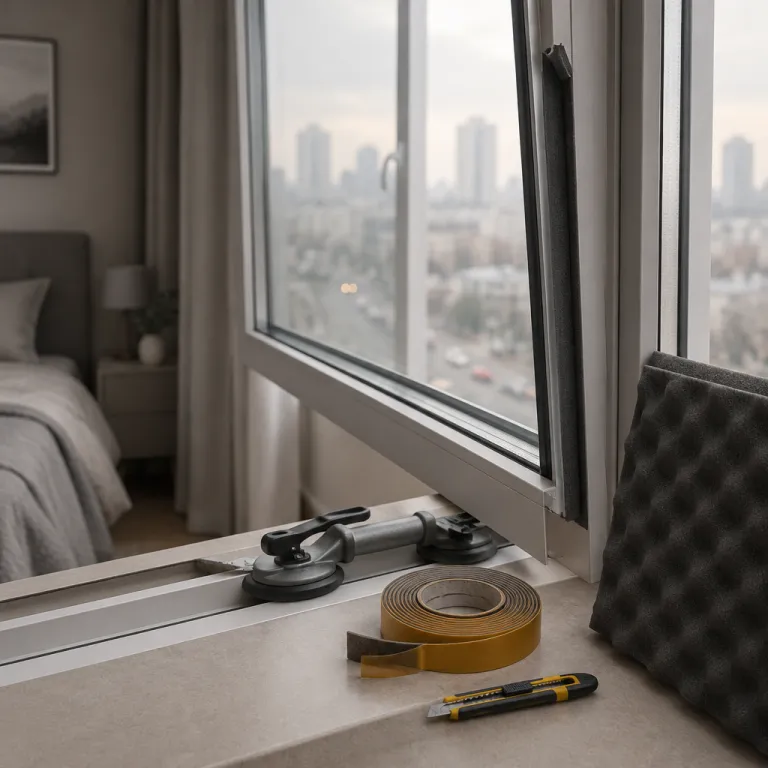
Why sound is the hidden deal breaker in quiet apartment acoustic privacy noise booking
Most couples scroll through listings comparing views, kitchens and square metres, while the real threat to a restorative stay is sound. Street noise, high pitched scooters, late night conversations in neighbouring rooms and humming building systems can turn a beautiful room into a space you cannot bear after one sleepless night. When you think about quiet apartment acoustic privacy noise booking, you are really choosing how much of the city will be heard through your doors and walls, and how much control you will have over that sound.
Urban apartment hotels concentrate life vertically, so every floor becomes a potential source of noise sound from above, below and across the corridor. Hard surfaces, fashionable but unforgiving, bounce acoustic energy around, and without thoughtful soundproofing or any form of sound masking, even a dropped spoon can feel amplified. The best luxury properties are now specially designed to block sound between rooms, using dense construction and layouts that place bedrooms away from lifts, bins and service areas for quieter sound throughout the night, often aiming for walls with an STC (Sound Transmission Class) rating around 55 or higher.
Photos rarely reveal whether a room will be quiet, because noise white issues hide behind design trends and flattering angles. A marble kitchen island looks chic, yet it can reflect every high pitched note of a neighbour’s playlist straight into your conversations. When you approach quiet apartment acoustic privacy noise booking, treat silence as a core amenity, not an afterthought, and remember that the World Health Organization suggests night time indoor noise levels below roughly 30 dB for healthy sleep, so your goal is a room where city sounds fade to a soft, distant murmur.
How restorative design turns down the volume in secluded getaways
Restorative design starts with structure, because no amount of white noise or clever masking can fully fix flimsy walls. In a well built apartment hotel, you feel the difference as soon as the doors close; the sound of the corridor drops, conversations from other rooms are not heard and the room becomes a cocoon rather than a conduit. For couples planning quiet apartment acoustic privacy noise booking in secluded getaways, this structural calm is the real luxury, far more than any decorative extra layer or temporary gadget.
Look for properties where bedrooms sit behind a small hallway or are tucked deeper into the space, since this layout will help block sound from the street and shared areas. Double or triple glazing, heavy curtains and solid core doors add an extra layer of soundproofing that can drown traffic noise and create a noticeably quieter sound environment. In some specially designed apartments, acoustic panels and soft furnishings are integrated into the design so subtly that you only notice when the noise sound of the city fades as you step inside, and you can talk in low voices without worrying about being overheard.
Secluded apartment hotels in wine country or forested hills, such as the elegant romantic getaways in Northern California highlighted in this curated guide to romantic Northern California apartment hotels, often combine natural distance from traffic with interiors shaped by current design trends in wellness. Timber floors are layered with thick rugs, kitchens are softly lit and rooms are oriented to face gardens rather than car parks, so the acoustic experience matches the visual serenity. When you choose these spaces with quiet apartment acoustic privacy noise booking in mind, you are investing in rest that feels both indulgent and quietly efficient, with background sound closer to a rural 25–35 dB than a busy city street.
The gap between a quiet listing and a truly quiet apartment
Many listings promise a quiet room, yet the reality can be a space where every suitcase wheel in the corridor is clearly heard. A description might mention soundproofing, but without details you do not know whether it refers to thick glazing, solid floors or simply a white noise machine on the bedside table. For serious quiet apartment acoustic privacy noise booking, you need to read between the lines and understand how acoustic privacy is actually achieved, not just how it is advertised.
Start by scanning guest reviews for repeated mentions of noise, especially comments about high pitched sounds like lift alarms, plumbing or late night conversations. If several guests mention that traffic noise white was easy to drown with the provided white noise machine, you know the property relies on masking rather than construction to block sound. That approach can be helpful, yet a quieter sound baseline from proper materials and specially designed layouts will always be better for deep rest, particularly on trips where you plan to spend long evenings in the apartment.
Secluded destinations such as refined apartment hotels near hot springs, including those featured in this selection of Idaho hot springs apartment escapes, often benefit from natural silence, but you should still ask targeted questions. Request information about what lies above your chosen room, whether the floor is carpeted or hard, and how many rooms share your corridor, because fewer neighbours usually mean less noise sound to manage. When a host can explain that bedrooms sit on an upper floor, behind heavy doors and away from communal rooms, and that walls meet at least hotel standard STC or Rw ratings, that clarity will help you trust the promise of quiet.
How to investigate acoustic privacy before you book
Approach quiet apartment acoustic privacy noise booking with the same rigour you apply to flight times or cancellation policies. Before you reserve, study the building’s position on a map to see whether your room will face a main road, a courtyard or an internal light well, since each space carries sound differently. A courtyard can feel peaceful by day yet amplify late night conversations, while a higher floor on a busy avenue might actually be quieter sound than a low level room beside a bar terrace or delivery bay.
When you message a host or concierge, ask specific questions about soundproofing rather than vague queries about whether the apartment is quiet. Request details about window glazing, door seals, the type of floor between rooms and whether any specially designed acoustic measures, such as panels or underlay, have been installed to block sound. You can be direct with questions like “What is the wall or floor STC rating between apartments?”, “Are there any bars, clubs or mechanical rooms directly above or below this unit?” and “Do bedrooms share a wall with lifts, stairwells or service areas that might transmit noise sound?”
Reviews are your best ally, so filter for keywords like noise, traffic, neighbours and construction, then read what couples say about sleep quality and privacy. Pay attention when guests praise how they never heard doors slam or footsteps overhead, because that suggests both considerate guests and effective soundproofing between rooms. If several reviewers mention that a small amount of ambient sound was easy to drown with a personal white noise app, you can decide whether that level of masking will help you rest or whether you prefer a more structurally quiet room where you rarely need headphones or devices.
Why acoustic privacy matters more on longer, restorative stays
On a single night stopover, you might tolerate some noise, but on a week long stay every unresolved sound becomes a companion you never invited. Acoustic privacy shapes how you wake, how you talk, even how you cook, because a truly quiet room lets your own conversations sit comfortably in the space without feeling overheard. For couples planning quiet apartment acoustic privacy noise booking, this sense of control over sound is what turns a serviced apartment into a temporary home, especially when you are working remotely or recovering from long travel days.
Longer stays mean more mornings spent working at the kitchen table, more afternoons reading by the window and more evenings when you want to drown the city with nothing more than a closed set of doors. In these moments, proper soundproofing and specially designed layouts will help block sound from lifts, bins and neighbouring rooms, so any remaining noise sound becomes a gentle backdrop rather than a constant intrusion. Choosing an apartment where the bedroom sits on a higher floor, buffered by storage or bathrooms, adds an extra layer of privacy that feels quietly luxurious and keeps night time levels closer to the low 30s dB that support deep sleep.
When you book through a curated platform that values restorative design, such as the Paris collection on apartment stays with generous space and central comfort, you benefit from an editorial eye that filters out acoustically compromised properties. These teams prioritise rooms where you are not heard through thin walls, where design trends in materials serve both aesthetics and acoustic comfort, and where a touch of white noise is an option rather than a necessity. The result is a stay where silence feels intentional, not accidental, and where the city waits politely outside until you choose to let its sound back in.
FAQ
How can I tell if an apartment hotel will be quiet before booking ?
Check the map to see whether the building faces a busy street, then read recent reviews specifically for mentions of noise, traffic or neighbours. Ask the host about window glazing, door quality and what lies above and below the room, because these details reveal how sound travels through the structure. A clear explanation of soundproofing measures, such as double glazing and solid core doors, is usually a better indicator of quiet than any marketing description or generic promise.
What features should I look for to improve acoustic privacy ?
Prioritise apartments with double or triple glazed windows, solid core doors and bedrooms set back from the street or lobby. Soft furnishings such as thick rugs, curtains and upholstered seating help with sound masking by absorbing reflections from hard floors and walls. When possible, choose a higher floor and a corner room, since fewer shared walls generally mean less noise sound to manage and a better chance of uninterrupted sleep.
Are white noise machines enough to guarantee a good night’s sleep ?
White noise machines can drown some background noise and are useful when the underlying structure is decent but not perfect. They work best as an extra layer of comfort, not as a substitute for proper soundproofing and thoughtful design. If reviews mention very loud or high pitched sounds, such as bar music or lift alarms, structural solutions and good building materials matter far more than any device.
Is a top floor apartment always quieter than a lower floor ?
A top floor often avoids footsteps from above, but it is not automatically quieter, especially if it sits under a busy rooftop bar or mechanical equipment. Lower floors can be peaceful when they face an internal courtyard and benefit from good insulation and solid doors between rooms. The key is to understand what surrounds the room on all sides, not just how high it sits, and to ask whether any noisy services share walls or ceilings with the bedroom.
What should couples ask hosts about noise when planning a longer stay ?
For longer trips, ask where the bedroom is located within the apartment, what kind of neighbours share the floor and whether any bars, restaurants or construction sites sit nearby. Request details on window type, wall thickness and whether any specially designed acoustic treatments were installed to block sound between rooms. Hosts who answer these questions clearly, and can mention approximate STC or Rw ratings or similar standards, usually run properties where acoustic privacy is taken seriously.