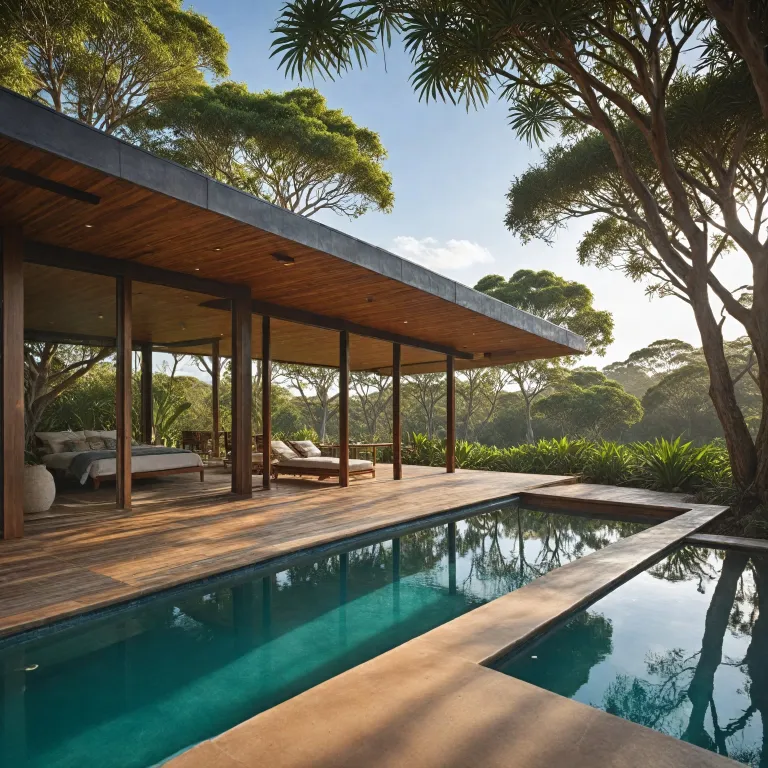
Eco friendly luxury accommodation in Queensland’s wild places
Eco friendly luxury accommodation in Queensland now rivals the world’s finest stays. Guests can enjoy refined comfort while knowing their lodges support fragile ecosystems and local communities. This balance between indulgence and responsibility defines a new era of luxury accommodation across tropical north and south east Queensland.
In the lush Daintree Rainforest, Daintree Ecolodge offers 15 elevated bayans that sit lightly among ancient trees. Here, the lodge design, waste water systems, and solar power reflect a deep eco commitment, while guests sleep to the sounds of the mossman river and rainforest wildlife. Similar principles guide Nightfall Camp and Alure Stanthorpe, where luxury lodges blend with nature rather than dominate it.
Across lodges in north Queensland and further south, operators increasingly adopt solar panels, on site water treatment, and eco friendly building materials. These tools reduce the carbon footprint of lodges Australia wide, while still delivering high end linens, gourmet cuisine, and attentive service. For travellers, eco friendly luxury accommodation in Queensland means you can enjoy hotels and lodges without compromising your values.
Many of these lodges hotels also partner with Indigenous communities, environmental groups, and sustainable tourism boards. In the Daintree, for example, Daintree Ecolodge works closely with Kuku Yalanji custodians to share cultural knowledge respectfully. When you read about these partnerships in travel news, you see how eco luxury accommodation can protect heritage listed landscapes and support living cultures.
Eco friendly luxury accommodation in Queensland is not a passing trend. It reflects a long term shift in how hotels resorts and luxury lodges operate, from the reef and rainforest to inland wine regions. As more travellers read article style reviews and book thoughtfully, demand for genuinely eco stays continues to grow.
From reef to rainforest: where eco luxury meets iconic Queensland nature
Eco friendly luxury accommodation in Queensland stretches from the Great Barrier Reef to the Daintree Rainforest. Along this coast, the relationship between reef, river, and rainforest shapes every stay. Guests move between silky beaches, mangrove edged creeks, and cool upland forests, often within a single day of travel.
In tropical north Queensland, the daintree region is a focal point for sustainable luxury lodges. Daintree Ecolodge sits within the daintree rainforest, where the mossman river flows from upland ranges to the sea. Here, the concept of healing waters is more than a spa theme ; it reflects the cultural and ecological importance of these rivers to Kuku Yalanji people.
Nearby, the famous silky oaks trees lend their name to several properties, including silky oaks lodge and oaks lodge style retreats along the mossman river. These lodges hotels often frame views of the river and rainforest, using open air designs that reduce reliance on air conditioning. Guests can read in quiet pavilions, listening to water over rocks and birds in the canopy.
Offshore, eco friendly luxury accommodation in Queensland includes island retreats on Hamilton Island and Lizard Island. These island hotels resorts sit close to the barrier reef and the wider great barrier ecosystem. Many now invest in reef research, low impact marine excursions, and strict waste management to protect surrounding coral and seagrass.
On land, heritage listed areas such as sections of the daintree rainforest demand extra care from lodges and hotels. Operators must meet regulations while still offering luxury accommodation with fine dining and spa experiences. For guests, this means every reef snorkel, rainforest walk, or river kayak is framed by both comfort and conservation.
Inside the lodges: how sustainability shapes every luxurious detail
Eco friendly luxury accommodation in Queensland succeeds when sustainability is built into every detail. At Nightfall Camp, for example, high end safari tents run largely on solar power, with around 80 % of electricity generated by on site panels. Similar systems appear across lodges Australia wide, especially in remote rainforest and island locations.
Water is another focus for eco lodges and hotels resorts in tropical north Queensland. On site waste water treatment protects nearby rivers, including the mossman river and smaller creeks feeding the reef. Some properties draw inspiration from the idea of healing waters, designing spa rituals around pure rainwater and mineral rich springs.
Inside guest spaces, luxury accommodation no longer relies on excess to feel indulgent. Many lodges hotels now use eco friendly materials, low VOC paints, and locally crafted furnishings. At Daintree Ecolodge, the bayans sit among the daintree rainforest canopy, with natural ventilation and ceiling fans reducing energy demand.
Food and beverage programs at eco friendly luxury accommodation in Queensland also reflect sustainable thinking. Chefs source produce from nearby farms, reef safe seafood suppliers, and Indigenous owned enterprises where possible. Guests can read menus that highlight Kuku Yalanji ingredients, Queensland wines, and seasonal fruit from the region.
Technology supports this shift without overwhelming the natural setting. Smart systems manage lighting and climate in lodges, while digital compendiums replace printed folders in hotels. For travellers who read article reviews carefully, these details signal a genuine eco commitment rather than surface level marketing.
Choosing the right eco friendly luxury stay in Queensland
Selecting eco friendly luxury accommodation in Queensland starts with clarifying your priorities. Some travellers want direct access to the barrier reef and great barrier marine experiences, while others prefer deep immersion in the daintree rainforest. A few seek river based stays along the mossman river, where silky oaks and other rainforest trees line the banks.
Begin by checking whether lodges or hotels hold recognised eco certifications and operate within heritage listed areas. Properties such as Daintree Ecolodge, Nightfall Camp, and Alure Stanthorpe clearly outline their solar, waste, and water initiatives. When you read this information alongside independent travel news, you gain a fuller picture of each lodge or hotel.
Next, consider the style of luxury accommodation that suits your trip. Island based hotels resorts on Hamilton Island or Lizard Island offer direct reef access and yacht charters. Rainforest lodges hotels, including silky oaks lodge and similar oaks lodge properties, focus on spa rituals, healing waters, and guided walks with Kuku Yalanji or other local guides.
Apartment style suites and villa lodges Australia wide appeal to travellers who value space and privacy. These can be ideal for longer stays, especially when combined with eco friendly features and concierge style services. For inspiration on refined amenities, you can read an in depth review of bathrooms and luxury details at a Siam hotel in Bangkok, which illustrates how thoughtful design elevates comfort without waste.
Finally, look at how each property communicates with guests before arrival. Clear pre stay emails, detailed FAQs, and transparent sustainability reports show that lodges and hotels take eco responsibilities seriously. When you read article content on their websites, you should see consistent information about energy, water, and community partnerships.
Experiences that connect reef, river, rainforest, and culture
Eco friendly luxury accommodation in Queensland is defined as much by experiences as by design. On the coast, guests can snorkel or dive the barrier reef with marine biologists who explain coral restoration projects. These great barrier excursions often depart directly from island lodges or mainland hotels resorts that support reef research.
In the daintree rainforest, guided walks with Kuku Yalanji rangers reveal how culture and ecology intertwine. Travellers learn about bush foods, healing waters, and traditional uses of silky oaks and other trees. Many lodges hotels in tropical north Queensland now include such experiences in their luxury packages.
River based activities along the mossman river and nearby waterways offer a quieter form of immersion. Guests at silky oaks lodge, oaks lodge style retreats, and other lodges Australia wide can kayak, swim, or simply sit beside the water. These eco friendly experiences emphasise slow travel, encouraging visitors to read the landscape rather than rush between attractions.
On Hamilton Island and Lizard Island, eco conscious operators limit group sizes and use low impact vessels. Guests can explore fringing reef, seagrass meadows, and turtle nesting beaches with naturalist guides. Back at their island hotels, they enjoy luxury accommodation that respects the surrounding marine environment.
Throughout eco friendly luxury accommodation in Queensland, wellness programs increasingly draw on local traditions. Spa menus reference healing waters, rainforest botanicals, and Indigenous knowledge shared with permission. When travellers later read article features or news pieces about their stay, they often highlight these meaningful cultural connections.
The future of eco friendly luxury accommodation in Queensland
Eco friendly luxury accommodation in Queensland continues to evolve as technology and expectations change. Operators invest in more efficient solar systems, advanced waste water treatment, and building materials that perform well in tropical north climates. These innovations allow lodges and hotels to reduce emissions while maintaining high levels of comfort.
Collaboration with local communities and environmental organisations is also deepening. Many lodges Australia wide now support citizen science projects on the barrier reef and in the daintree rainforest. Guests can read about these initiatives in pre arrival news updates, then join reef surveys or river monitoring during their stay.
As demand grows, new lodges hotels and apartment style properties will need to meet stricter standards. Travellers increasingly expect transparent reporting on energy use, water conservation, and community benefits. When they read article reviews, they look for concrete data rather than vague eco claims.
Industry experts note several key trends shaping this space. “Increased interest in sustainable luxury travel.” “Integration of technology to enhance eco-friendly practices.” “Collaboration between accommodations and local communities for conservation efforts.” These real verified quotes highlight how eco friendly luxury accommodation in Queensland aligns with global shifts.
For guests, the future promises even richer experiences that connect reef, river, rainforest, and culture. Whether staying at silky oaks lodge, an oaks lodge apartment, or an island retreat on Hamilton Island or Lizard Island, travellers can expect both luxury and responsibility. By choosing thoughtfully and continuing to read about best practices, visitors help ensure Queensland’s heritage listed landscapes remain intact for generations.
Key sustainability statistics from leading eco lodges
- Approximately 80 % of electricity at Nightfall Camp is generated by on site solar power systems, significantly reducing reliance on fossil fuels.
- Daintree Ecolodge offers 15 eco friendly bayans, limiting its footprint while providing intimate rainforest immersion for guests.
- At Currumbin Ecovillage, around 50 % of the land is preserved as environmental reserve, demonstrating how development and conservation can coexist.
Essential questions about eco friendly luxury stays in Queensland
What makes an accommodation eco-friendly?
Eco-friendly accommodations implement practices that reduce their environmental impact, such as using renewable energy, minimizing waste, and conserving water.
Are eco-friendly luxury accommodations more expensive?
While some eco-friendly luxury accommodations may have higher rates due to sustainable practices, many offer competitive pricing and unique experiences that justify the cost.
How can I verify the sustainability claims of an accommodation?
Look for certifications from recognized organizations, read reviews from previous guests, and research the accommodation's specific sustainability initiatives.