Why the best culinary apartment travel local food experience begins at the market
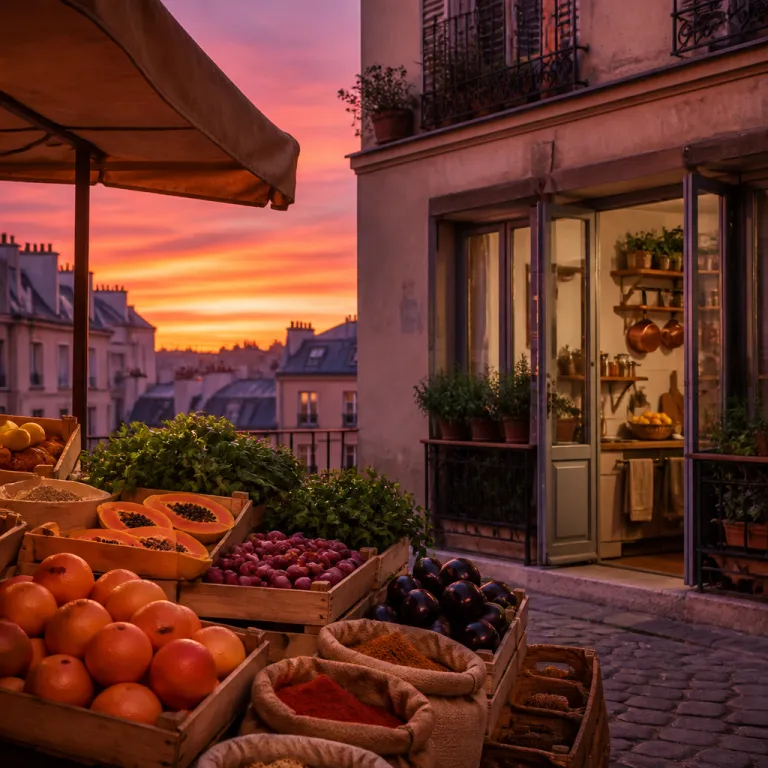
Step into a serious apartment kitchen and you feel it immediately. The space signals that your culinary apartment travel local food experience will be shaped as much by the neighbourhood market as by any polished restaurant. On a good first day, the walk from market stall to your front door becomes the real check in ritual.
Luxury apartment hotels now curate stays around food in a way traditional hotels rarely match. Instead of sending you to generic restaurants, the best properties map out the local producers, the one family run restaurant that still grills chicken over charcoal, and the tiny épicerie where you will find the olive oil everyone in the building uses. This is where apartment travel stops being a simple place to sleep and starts to work as a base for genuine culinary exploration.
For families, this shift changes the rhythm of the entire trip. Parents no longer don’t have to negotiate every dinner in a crowded restaurant, because the apartment kitchen turns cooking into part of the holiday rather than a chore. Children move from passive restaurant guests to active students of taste, helping to choose vegetables at the market and then stirring a simple pasta dish back at the table.
How to read an apartment kitchen like a seasoned food traveler
When you book online, photos rarely tell you if a kitchen is decorative or genuinely designed for cooking. A true culinary apartment travel local food experience starts with details such as a proper chef’s knife, heavy bottomed pans, and enough counter space to work without balancing chopping boards on the sink. If you can picture a relaxed family dinner for four in the space, you are usually in safe territory.
Look for properties that list equipment with the same care they list amenities such as pools or spas. A dishwasher, full size fridge, and oven signal that the apartment is meant for real cooking, not just reheating takeout food from nearby restaurants. When an operator mentions extras such as a pasta pot, salad spinner, or rice cooker, you can expect that the kitchen will support both quick weekday style meals and more elaborate dinner projects.
Some luxury apartment hotels go further and integrate the kitchen into a broader culinary narrative. At refined urban properties such as those featured in the Miami apartment hotel elegance guide, you will often find welcome baskets with local bread, fruit, and perhaps a ready to cook chicken from a trusted butcher. These touches quietly tell you that the restaurant scene is there to explore, but the apartment itself is the primary place where your food story will unfold.
From farm gate to fridge door: private dining and producer partnerships
The most interesting luxury apartment operators now treat the city’s producers as an extension of the property. Instead of only recommending a restaurant, they arrange farm to apartment deliveries that turn your fridge into a curated pantry of local food. This is where a culinary apartment travel local food experience becomes genuinely immersive rather than performative.
In wine regions, that might mean a crate of seasonal vegetables, a whole chicken from a nearby farm, and a bottle from a small domaine waiting when you arrive. In coastal cities, you might find a chilled box of seafood on the counter, with clear cooking instructions and suggestions for a simple pasta dish that lets the ingredients speak. These services work particularly well for families, because parents can cook early dinners while children relax in the living room instead of struggling through late restaurant seatings.
Some properties now partner with cooking instructors and online culinary platforms to offer hybrid private dining experiences. A chef might come to your apartment for one evening, preparing a great multi course dinner while also running informal classes to learn specific techniques, from filleting fish to finishing a silky pasta sauce. For guests who are genuinely college interested in food culture, these sessions feel closer to compact degree programs in regional cuisine than to standard hotel entertainment.
Cooking together as a family: when the kitchen becomes the main place to connect
Families who choose apartment hotels often say the same thing after their stay. The best memories of their culinary apartment travel local food experience are not from the most ambitious restaurant, but from the evenings when everyone cooked together. A well designed kitchen turns what could feel like work into a shared ritual that anchors each day.
Children respond quickly when they are treated as students of taste rather than fussy eaters. Give them a small budget at the market and ask them to find one new ingredient, then build a simple dinner around their choice back at the apartment. That might be a bright tomato pasta dish, a roast chicken with local herbs, or a salad assembled from whatever looked good at the last stall before you walked home.
Parents who usually rush through weekday cooking often find that travel slows everything down. There is time to talk about where the food came from, to compare the local restaurant version of a classic with the one you cook yourselves, and to let older children handle more of the cooking. On a great evening, the apartment feels less like temporary accommodation and more like a compact culinary college where everyone will graduate with new skills and shared stories.
Learning in place: market tours, cooking classes, and home based culinary tourism
Apartment hotels are increasingly building structured learning into their food experiences. Many now offer guided market tours where a local chef walks you through stalls, explains seasonal produce, and helps you find the best ingredients for your own kitchen. These tours echo the rise in online cooking classes at home, but they add the irreplaceable texture of smell, sound, and direct conversation.
One respected culinary institute recently reported an increase in online cooking class participation of 50 %, reflecting how many home cooks now treat their kitchens as spaces for ongoing education. Apartment stays extend that mindset into travel, turning each destination into a temporary campus for students of regional cuisine. As one expert summary puts it, “Begin by selecting a cuisine, researching recipes, and sourcing ingredients.”
Some luxury operators now pair in person market visits with digital classes to learn specific dishes once you are back in the apartment. You might spend the morning at the market, then log into a live session where an instructor guides you through cooking a local pasta dish or slow braised chicken, using exactly what you bought. For travelers who are genuinely college interested in food, these experiences feel like condensed degree programs in flavour, with the apartment kitchen as both classroom and restaurant.
Choosing the right neighbourhood and property for serious food travel
Where you stay shapes how you eat, often more than you expect. A meaningful culinary apartment travel local food experience depends on the neighbourhood’s infrastructure as much as on the apartment itself. Before you book, map out markets, bakeries, and casual restaurants within a ten minute walk of the front door.
Look for districts where daily life still revolves around fresh food rather than only around nightlife. A good rule of thumb is that if you can find a greengrocer, a butcher, and a bakery on the same block, you will eat well without relying on a single formal restaurant. Families benefit from this density, because it makes it easy to pick up ingredients for a quick pasta dish or roast chicken on the way back from a museum or beach.
On specialist platforms such as apartment-stay.com, property descriptions increasingly highlight this kind of context. You will see references to weekly markets, to local restaurants that offer takeout portions of their signature dishes, and to nearby cooking schools that run short classes to learn regional recipes. In destinations with a strong wellness focus, such as the rainforest retreat featured in the Costa Rica apartment style spa guide, the emphasis might shift towards organic produce and lighter cooking, but the principle remains the same.
Private dining in your apartment: when restaurant chefs come to you
For many luxury travelers, the ultimate expression of apartment based food culture is private dining. Instead of booking the hardest to get restaurant table in town, you invite the chef into your own kitchen and let the evening unfold at your pace. This format suits families especially well, because children can drift between the table and the sofa while adults linger over each course.
Serious operators now maintain a roster of local chefs who specialise in this kind of work. Some focus on refined tasting menus that echo the city’s top restaurants, while others build interactive evenings where guests help with the cooking and plate their own pasta dish or carve the roast chicken. The best chefs treat guests as engaged students rather than passive diners, explaining techniques and sharing tips that you will use long after the trip ends.
These experiences often blur the line between dinner and informal classes to learn regional cooking. A chef might arrive early in the day to join you at the market, help you find the freshest food, and then return to the apartment to cook together. By the time dessert reaches the table, you have not only eaten well but also gained a deeper understanding of the local culture than any single restaurant meal could provide.
Key figures shaping apartment based culinary travel
- Participation in online cooking classes has increased by 50 %, according to a recent Culinary Institute study, which aligns with travelers seeking apartments where they can apply new skills on the road.
- Home cooking equipment sales have grown by 30 %, based on a global market research report, indicating that more guests now expect apartment kitchens to match the quality of their upgraded tools at home.
- Industry surveys show that families who cook at least one meal per day in their apartment report higher overall trip satisfaction than those who rely solely on restaurants, especially on longer stays.
- Properties that highlight proximity to local markets and food producers in their listings tend to achieve stronger repeat booking rates, reflecting the value of an authentic culinary neighbourhood context.
FAQ about apartment kitchens and culinary travel
How can I start exploring global cuisines at home before my trip ?
Begin by selecting a cuisine that matches your next destination, then research a few core recipes and source ingredients from local international markets or trusted online stores. Practise cooking these dishes in your own kitchen so that the techniques feel natural once you reach your apartment hotel. This preparation makes the transition from home cooking to travel cooking smooth and enjoyable.
Are online cooking classes effective for preparing a culinary focused trip ?
Online cooking classes are highly effective because they provide structured guidance, visual demonstrations, and the chance to ask questions in real time. Many platforms now offer destination specific courses, allowing you to learn regional dishes before you travel. When you arrive at your apartment, you will already have the confidence to shop locally and cook with unfamiliar ingredients.
Where can I find authentic ingredients near my apartment hotel ?
The most reliable sources are local markets, specialist grocers, and neighbourhood bakeries or delis recommended by your host. Before arrival, use maps and local forums to identify these places within walking distance of your building. Once on site, ask residents or staff where they buy their everyday food, because those answers usually lead to the best quality.
What should I look for in an apartment kitchen if I plan to cook often ?
Prioritise a full size fridge, a proper oven, and a solid set of pans, along with sharp knives and enough counter space to work comfortably. Check listings for photos that show storage, ventilation, and whether there is a dining table large enough for your group. If the description mentions specific equipment such as a pasta pot, rice cooker, or blender, it is usually a sign that the kitchen is meant for real cooking rather than occasional reheating.
How can families balance restaurant meals with cooking in the apartment ?
A practical approach is to cook breakfast and some dinners in the apartment while using lunches to explore local restaurants. This rhythm keeps costs under control, reduces stress with younger children, and still leaves space for a few special occasion dinners out. Planning simple dishes such as pasta, roast chicken, or composed salads makes it easy to turn market finds into relaxed meals at home.