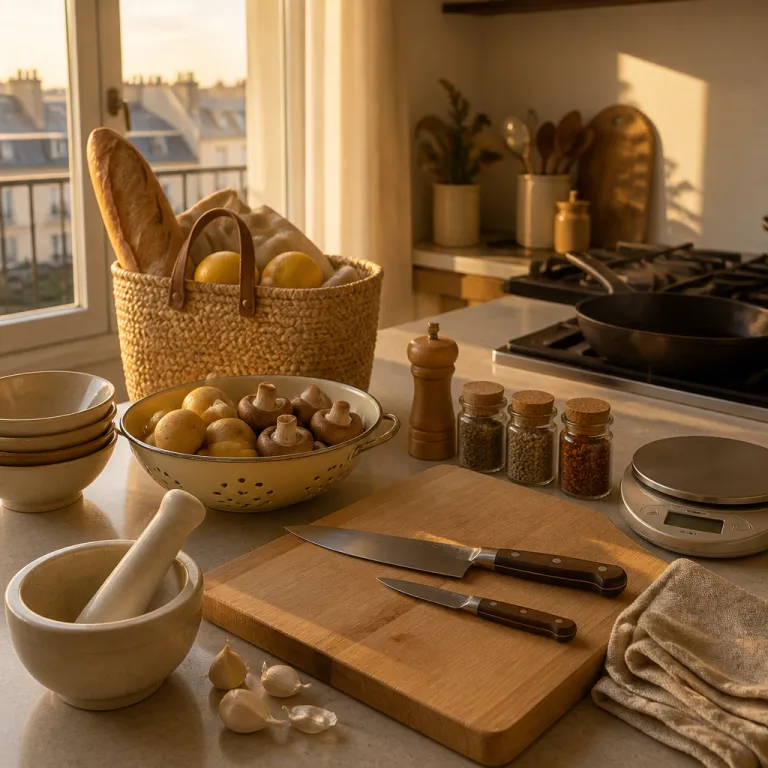
Why the apartment kitchen is the real luxury on a cooking vacation
In a world of polished lobbies, the quiet luxury of a well planned apartment kitchen often matters more than any welcome drink. For a design conscious solo traveler, a cooking vacation built around a vacation rental kitchen and the local market turns anonymous nights into a sequence of grounded, sensory rituals that feel both intimate and expansive. When you choose vacation rentals with a serious place to cook instead of simply staying in a hotel, you trade room service for the pleasure of hearing a city wake while you cook your first pan of eggs.
A true luxury cooking experience starts long before you light the stove, because the best vacation homes and every high end vacation rental with a proper kitchen are curated around how you will shop, chop and plate. This is where the idea of a market led cooking vacation in an apartment kitchen becomes real, as well equipped spaces frame your route from grocery store to chopping board and finally to a glass of wine beside an open window. You are not just there for good food and good wine; you are there to understand food culture through ingredients you buy yourself and recipes you cook with your own hands.
Market driven cooking has long been championed by chefs such as David Tanis, who argues that the most memorable cooking experience begins with what looks alive and seasonal on the stalls. Urban cooking expert Kate McDonough has shown how even a small city kitchen can turn limited space into a stage for ambitious recipes, which is exactly what a compact but well equipped rental kitchen should offer. When you book vacation rentals through a luxury focused platform, you are essentially choosing whether your nights will be defined by a minibar key or by the weight of a sheet pan sliding into a hot oven.
The kitchen test: how to read listings for serious rental kitchens
Before you commit to any cooking vacation, treat each listing as a technical document and apply what I call the kitchen test. A genuinely equipped vacation kitchen will list a real stove, an oven that is more than a decorative cube, sharp knives, a cutting board that is not flimsy plastic, and at least one solid sheet pan for roasting chicken or vegetables. If the description only mentions a "kitchenette" without detail, assume you will be improvising recipes with a single pan and no salt or pepper in sight.
Look for language that suggests the owner actually cooks there, because that usually signals a better cooking experience for you as a solo traveler or as a pair. Phrases such as "fully stocked pantry", "basic ingredients like olive oil, salt and pepper provided" and "kitchen offers induction hob and heavy bottomed pans" are green flags for any itinerary that combines a self catering apartment kitchen with regular local market visits. When a host mentions that they buy their own food at the local grocery store or market and keep a few cooking classes books on the shelf, you can safely expect a rental kitchen that respects both food and the person who will cook it.
Pay attention to photos more than adjectives, since a good vacation rental kitchen shows its quality in the details of the sink, the layout and the equipment. You want to see at least two burners, a real fridge where you can store a rotisserie chicken from the market, and enough counter space to assemble a salad without balancing ingredients on the stove. If the listing highlights wine glasses, a proper table and warm lighting over the dining area, your nights in that vacation rental will likely feel like a private restaurant where you control the recipes and the pace.
Barcelona, Paris, Tokyo, Lisbon, Florence: five cities where markets shape your cooking vacation
Some cities simply lend themselves to a market centered cooking vacation rhythm, and Barcelona is one of them. Stay near La Boqueria or Mercat de Sant Antoni and your mornings will start with the smell of just landed seafood, piles of vegetables and the clatter of knives on ice. Bring it all back to your vacation kitchen and you can cook a sheet pan version of paella with market shrimp, local chicken pieces and olive oil that tastes like the hills outside the city.
In Paris, an apartment close to rue Mouffetard or Marché d'Aligre turns every day into a lesson in food culture that no hotel breakfast can match. You buy tomatoes, aubergines and herbs from the same vendors who supply neighbourhood cooks, then return to your rental kitchen to build a simple ratatouille recipe that perfumes the entire space. Add a green salad, a baguette from the corner bakery and a bottle of good wine, and your nights feel quietly luxurious without needing a formal restaurant reservation.
Tokyo’s Tsukiji outer market rewards early risers, especially solo travelers who like to cook but also enjoy a sashimi breakfast at a counter before heading back to their vacation homes. Lisbon’s Mercado da Ribeira invites you to buy salt cod, local greens and olive oil for a trio of recipes that can stretch across several nights in the same vacation rental. In Florence, Mercato di Sant'Ambrogio is where you pick up ingredients for ribollita, roast chicken with rosemary and a simple salad, proving that a cooking vacation built around an apartment kitchen and the local market can be the best way to understand Italy one pot at a time.
From market bag to plate: practical cooking strategies for the vacation kitchen
Once you have chosen a serious rental kitchen, the next step in any cooking vacation is learning how to shop and cook efficiently without overbuying. Visit markets early for the best selection, bring reusable bags and think in terms of a few flexible recipes that share ingredients, such as roast chicken one night, salad with shredded rotisserie chicken the next and a sheet pan of mixed vegetables on the final evening. This approach lets you save money while still eating very good food, and it keeps your vacation kitchen tidy enough that cooking feels like a pleasure rather than a chore.
For a solo traveler, the key is to buy smaller quantities and focus on dishes that reheat well, because you do not want to waste ingredients or spend every night cooking from scratch. A simple plan might include one big pot of soup, a pan of roasted vegetables with olive oil, salt and pepper, and a few pieces of grilled chicken that can slide into salads or sandwiches across several nights. When you build your cooking experience around this kind of strategy, the apartment kitchen becomes a calm, efficient space where you can cook, pour a glass of wine and reflect on the day without feeling rushed.
Think of your grocery store runs as part of the cultural workshop that a market focused cooking itinerary provides. You will learn which stall sells the best tomatoes, which vendor smiles when you mispronounce a word, and which cheese pairs beautifully with the wine you like. Over time, these small rituals turn a simple vacation rental into a lived in home, and your cooking vacation becomes less about ticking off sights and more about understanding how local people actually eat.
Cultural workshops in the kitchen: learning a city through its food culture
Luxury apartment hotels increasingly frame the kitchen as a space for cultural workshops rather than just a place to reheat takeout. When a property offers or partners with cooking classes that start at the local market and end at your rental kitchen table, your cooking experience shifts from private hobby to guided immersion. This is where the concept of a structured cooking vacation, with an apartment kitchen at the centre and daily market visits as the spine of the itinerary, becomes a practical way to learn, not just a romantic idea.
Many high end vacation rentals now curate experiences where a local cook meets you in the lobby, walks you through the nearest market and helps you buy ingredients for regional recipes. You might learn how to choose the best chicken for a sheet pan roast, which olive oil to use for salad and how much salt and pepper local cooks prefer in their food. These cultural workshops turn the vacation kitchen into a classroom, and the nights you spend cooking become as educational as any museum visit.
For solo travelers, this format offers both company and confidence, because you can ask questions, taste as you go and then repeat the recipes alone later in the week. The most thoughtful kitchen offers even include a printed recipe booklet, a small selection of local wine and a pantry starter kit so that your cooking vacation continues after the formal workshop ends. Over time, these experiences build a kind of culinary literacy that follows you from Italy to Japan and back home, where you will find yourself seeking out markets and rental kitchens with the same care you once reserved for hotel ratings.
Solo serenity: why cooking for one beats staying in a hotel restaurant
Eating alone in a hotel restaurant can feel performative, but cooking for one in a quiet apartment kitchen feels meditative. You control the music, the timing, the recipes and the wine, and the only dress code is whatever you feel like wearing after a long day of walking. For many solo travelers, this is the real luxury of a market led self catering routine, because it replaces social pressure with a sense of private ritual.
Instead of scanning a menu for the least awkward option, you buy exactly the ingredients you want and cook them the way you like. One night might be a simple salad with market greens, grilled chicken and good olive oil, while another could be a sheet pan of roasted vegetables with a glass of local wine and bread from the bakery downstairs. These small, repeatable recipes turn anonymous nights into a sequence of comforting scenes that feel both grounded and quietly indulgent.
Many booking platforms now highlight properties where the kitchen offers real cooking potential, from sharp knives to proper pans, and their detailed reviews help you avoid decorative spaces that only look good in photos. When you choose one of these vacation homes instead of staying in a hotel, you are effectively booking a private studio for cultural workshops in food culture, with the grocery store and market as your daily classroom. Over time, you will start planning every vacation rental around the kitchen first and the view second, because you know that the best memories often begin with the sound of a pan heating on the stove.
How to pack, plan and book for a market led cooking vacation
Planning a market oriented cooking vacation in an apartment kitchen starts at home, long before you step into your first market. Pack a small kit with a favourite knife in a protective sheath, a compact cutting board if you are particular, and a tiny pouch of spices such as salt, pepper and dried herbs that can rescue bland rental kitchens. These items weigh almost nothing, but they turn any basic rental kitchen into a space where you can cook with confidence from the first night.
When you browse vacation rentals, filter for properties that mention a full kitchen, then read between the lines for signs of a serious cooking experience. Look for photos that show the stove clearly, check whether there is an oven for sheet pan recipes and note if the host mentions basics like olive oil or coffee equipment. If you see reviews praising the kitchen or the food culture of the neighbourhood, that is usually a better indicator of quality than any generic promise of "luxury" or "modern design".
Finally, sketch a loose plan for your nights so that you balance eating out with cooking in, because both matter on a well rounded trip. Decide which evenings you will cook a full recipe, which nights will be simple salad and chicken suppers, and when you might join cooking classes or cultural workshops. This level of planning keeps your grocery store visits efficient, helps you save money without sacrificing pleasure and ensures that every apartment kitchen you book becomes the quiet, glowing centre of your journey through the city.
Key figures on market driven cooking and urban apartment kitchens
- Urban research on home cooking habits indicates that around 60% of the urban population engages in regular home cooking, a figure highlighted in work by Kate McDonough and others, which supports the idea that many travelers already have the skills to cook confidently in a rental kitchen. This percentage is a rounded synthesis of multiple surveys of city dwellers’ cooking frequency rather than a single universal statistic, so local figures may vary.
- Studies of farmers’ markets in major cities show steady growth in both vendor numbers and visitor counts over the past decade, reflecting a wider interest in local food culture that aligns with the rise of the cooking vacation model. Reports from organisations such as the United States Department of Agriculture and various European market associations consistently describe this upward trend, even if exact percentages differ by region.
- Travel industry data from premium vacation rentals platforms report higher guest satisfaction scores for properties with fully equipped kitchens compared with those offering only minimal facilities, especially among solo travelers and long stay guests. These findings are drawn from aggregated review analyses and internal reports shared in industry briefings rather than from a single public dataset, so they should be read as indicative patterns rather than precise, universally applicable numbers.
- Market access also shapes behaviour; surveys of urban dwellers indicate that people living within 1 kilometre of a quality market are significantly more likely to buy fresh ingredients several times per week, a pattern that travelers can mirror when choosing centrally located vacation homes. This relationship between proximity and shopping frequency appears across multiple city level studies on food access, even though the exact distance thresholds and percentages differ from one study to another.
FAQ about market mornings and apartment kitchen stays
How can I find the best local markets near my vacation rental?
Start by checking the map location of your vacation rental, then search for named markets within a comfortable walking radius of 1 to 2 kilometres. Online directories, local tourism boards and community noticeboards are reliable tools for identifying markets that focus on fresh ingredients rather than souvenirs. Once you arrive, ask neighbours or café staff which market they use for everyday food, because their answers usually point you to the most authentic options.
What should I cook with ingredients from a local market kitchen?
Focus on simple, seasonal recipes that highlight the freshness of what you buy rather than complex techniques. A roast chicken with vegetables on a sheet pan, a big salad with market greens and a pot of soup built from whatever looks good will work in almost any vacation kitchen. As one practical guide notes, "Simple, seasonal recipes" are often the best way to let market produce shine without needing specialist equipment.
How do I manage cooking in a small apartment kitchen while traveling?
Organise the space before you start, clearing counters and grouping ingredients so that you can move efficiently. Use multi purpose tools such as a single sharp knife, one good pan and a baking tray, which allow you to cook several recipes without cluttering the rental kitchen. Remember that many urban cooks thrive in compact spaces by planning ahead, cleaning as they go and choosing dishes that require minimal equipment.
How early should I visit markets during a cooking vacation?
Arriving early in the morning usually gives you the best selection of produce, bread and fish, and it lets you experience the market at its most local. Vendors are less rushed, more willing to answer questions and often more generous with samples, which helps you understand the food culture of the city. Early visits also mean you can return to your apartment kitchen before midday heat or crowds, leaving the rest of the day free for museums and neighbourhood walks.
Can cooking in a vacation rental really help me save money?
Cooking several meals in your vacation kitchen almost always costs less than eating every meal in restaurants, especially in major cities. By planning a few flexible recipes and using leftovers creatively, you reduce waste and stretch ingredients across multiple nights. The money you save can then be redirected toward special experiences such as a memorable restaurant dinner, a guided market tour or a regional wine tasting.
Sources for further reading: David Tanis on market driven cooking (for example, his "City Kitchen" columns), Kate McDonough on urban home kitchens (including her work in The City Cook), and research on farmers’ markets and local food systems from the United States Department of Agriculture and comparable national or municipal food agencies.