The invisible upgrade: why smart home luxury serviced apartments feel different
Walk into a smart home luxury serviced apartment and the difference is quiet rather than showy. The space is designed so that residents feel immediate comfort, while the technology fades into the background and simply works. For families and renters used to traditional apartments, that subtle shift in control and calm can completely change the travel experience.
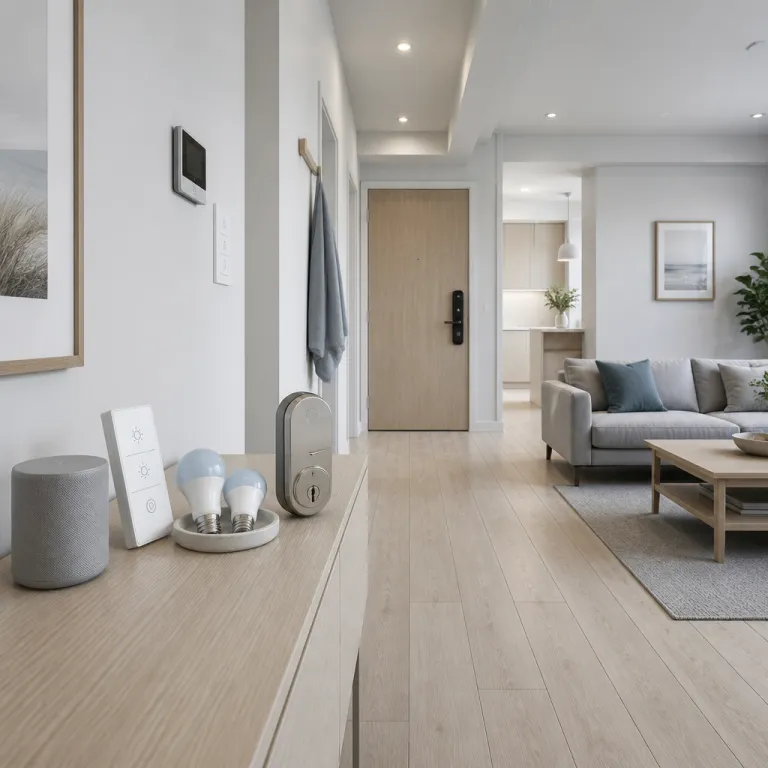
At the high end of apartment hospitality, operators now treat smart technology as core infrastructure rather than a novelty. Smart apartments use a layered control system that connects smart locks, smart lighting, climate control and entertainment into one coherent home automation environment. This creates a property where every amenity, from lighting climate to smart thermostats, is tuned for energy efficiency and guest comfort instead of just visual impact.
Behind the scenes, serious management teams work with smart lock manufacturers, smart light manufacturers and luxury apartment developers to integrate these systems. Their goal is simple ; they want each resident and every short or long term guest to enjoy seamless access, strong security and responsive comfort without needing a manual. That is the promise of a truly smart home in the serviced apartment world, and it is reshaping what “premium” means in global real estate.
The tech stack that actually matters for families booking luxury apartments
When you book a smart home luxury serviced apartment, the listing might mention a dozen gadgets, but only a few systems really define your stay. Keyless entry with smart locks is the first ; it turns arrival into a smooth, app based moment instead of a queue at reception or a hunt for keys. For parents juggling strollers, bags and tired children, that kind of smart access is not a gimmick, it is basic comfort and security.
Inside the apartment, focus on three pillars of smart technology ; climate control, smart lighting and connectivity. A good control system lets residents adjust smart climate settings room by room, using smart thermostats that respond in real time to occupancy and outside temperatures. This level of climate control is not just about comfort, it also supports energy efficiency, which matters when you are staying in high specification apartments with large windows and generous amenity spaces.
Lighting climate is the second pillar, and smart lighting should feel intuitive rather than theatrical. Look for properties where renters can dim lights, set scenes for family dinners or bedtime, and manage everything from a simple app or wall panel. If you prefer more traditional hotel style layouts, compare these apartments with elegant two bedroom suites for refined city stays to understand how smart apartments can offer similar comfort with far greater control.
AI enhanced living: from energy management to human style guest services
Artificial intelligence in a smart home luxury serviced apartment is less about robots and more about subtle optimisation. In well designed properties, AI quietly manages energy, adjusting smart thermostats and smart lighting in real time based on presence, time of day and even weather. This kind of smart climate management can cut lighting related energy use significantly while keeping residents in steady comfort.
Industry data already shows how powerful this can be ; residents willing to pay extra for smart technologies reach 70 % according to STRATIS, while Quext reports an average 39 % energy reduction with smart lighting. For families booking long term stays, that level of energy efficiency is not just good for the planet, it often translates into more stable operating costs for the property and better maintained amenities. Smart technology becomes a shared asset between resident, renters and management, rather than a toy.
On the service side, AI enhanced communication is moving fast in apartment hospitality. Wyndham has launched a native ChatGPT powered app for guest services, while Ascott is investing in agentic commerce tools that help guests manage everything from airport transfers to amenity bookings. Fully digitalised operators such as NUMA show where the future smart model is heading ; self service check in, app based access control, and apartments where lighting climate, entertainment and even some appliances respond to your preferences. For coastal stays, projects like refined coastal residences in Boca Raton hint at how high end real estate is weaving these systems into everyday living.
Privacy, security and control: drawing the line for family friendly smart apartments
For many parents, the phrase smart home luxury serviced apartment raises a quiet question ; how much data does this place collect about my family. The same smart technology that delivers effortless access and climate control can feel intrusive if the property does not communicate clearly. The best operators treat privacy as a core amenity, on the same level as physical security or cleaning standards.
Start with the basics of smart security ; smart locks, cameras in public corridors and digital access control for elevators or parking. In a well managed property, these security solutions protect residents and renters without invading the privacy of the apartment interior. There should never be cameras or microphones inside living spaces, and any smart home devices with voice functions must be clearly disclosed, with simple options to mute or unplug them.
Data management is the quieter side of security, but it matters just as much for long term trust. Ask how the property handles access logs from smart locks, what information is stored about your use of smart lighting or smart thermostats, and whether any third party platforms receive this data. Families should feel that the control system exists to protect their comfort and safety, not to monitor their living habits, and transparent policies are the only way to achieve that balance.
How smart home features change daily life for premium families on the road
In a smart home luxury serviced apartment, the most meaningful changes show up in small daily rituals. Morning starts with soft smart lighting that brightens gradually in the kitchen while the bedrooms stay dim, giving children a gentler wake up. Parents can adjust smart climate settings from bed, using home automation to warm the living area before anyone steps onto the cool floor.
Child safety benefits from smart access and smart security features that are thoughtfully configured. Smart locks on balcony doors or external exits can be set so that only adults have app based control, while physical buttons remain high enough to be out of reach. Some apartments extend this logic to amenities, using access control for pools, gyms and playrooms so that young resident guests always move through supervised, secure zones.
Entertainment and work also become easier in these apartments, especially for renters combining business and family travel. Reliable connectivity, app controlled media systems and responsive lighting climate create a flexible environment where one resident can take a video call in the bedroom while another cooks in a well lit kitchen. Compared with a traditional hotel room, this level of control over space, light and sound turns the apartment into a genuine temporary home rather than just a place to sleep.
Reading between the lines: how to evaluate a listing’s smart technology before you book
Not every listing that mentions a smart home luxury serviced apartment delivers the same standard, so you need to read carefully. Look for specific references to smart locks, smart lighting, smart thermostats and integrated home automation rather than vague claims about modern technology. When a property describes its control system in detail, it usually signals serious investment in both comfort and security.
Guest reviews are your best real time audit of how smart apartments perform in practice. Pay attention to comments about access ; if residents mention smooth keyless entry, reliable smart access codes and responsive management when something fails, that is a strong sign. On the other hand, repeated complaints about confusing apps, unstable lighting climate or climate control that ignores manual settings suggest that the smart technology is more show than substance.
Finally, consider how the property talks about sustainability and energy efficiency. Operators who explain how smart technology supports lower energy use, and who connect this to broader environmental goals, tend to run more thoughtful buildings. For a deeper look at this mindset, explore guidance on genuine sustainability in apartment hospitality and compare it with the language used in the listing you are considering. The more clearly a property links its smart systems to resident comfort, security solutions and responsible energy management, the more likely your stay will feel quietly, confidently future smart.
Smart luxury that actually feels human: choosing the right property for your stay
The smartest smart home luxury serviced apartment is the one that lets you forget about the technology once you have set it up. When home automation is well designed, residents experience a calm, responsive environment where lighting, temperature and access simply align with their routines. That is the difference between a property built around gadgets and an apartment shaped around human living.
As you compare apartments, prioritise places where management teams talk about experience rather than just features. Look for signs that they understand how families move through space ; child friendly access control, clear instructions for smart locks, and flexible settings for smart lighting that support both playtime and quiet evenings. These details show that the property treats smart technology as a tool for hospitality, not as a marketing headline.
Over the next few years, integration will deepen as more real estate developers and technology companies collaborate on unified control systems. For travellers, the practical takeaway is simple ; choose apartments where smart security, climate control and energy efficiency are woven into the amenity mix with the same care as the kitchen layout or the quality of the linens. That is how smart apartments turn a good stay into a better one, and how a temporary rental starts to feel like a home you might happily keep for the long term.
Key figures shaping smart technology in luxury serviced apartments
- According to STRATIS, 70 % of residents are willing to pay extra for smart technologies in their apartments, which explains why high end serviced properties now prioritise smart locks, smart lighting and integrated control systems.
- Quext reports that smart lighting can reduce energy use by an average of 39 %, making lighting climate optimisation one of the most effective ways for operators to improve energy efficiency without compromising guest comfort.
- Industry timelines show that smart home integration in luxury apartments moved from early adoption to widespread implementation across the 2020s, driven by rising demand for connected living and better security solutions.
- Global partnerships between technology companies and real estate developers are accelerating the rollout of smart apartments, with integrated home automation now seen as a key factor in property value and tenant satisfaction.
FAQ about smart technology in luxury serviced apartments
What are smart locks and why do they matter for serviced apartments ?
Smart locks are electromechanical locks performing operations via electronic prompts, usually through an app, keypad or digital key. In a serviced apartment, they remove the need for physical keys, simplify late night arrivals and allow secure, time limited access for cleaners or maintenance. For families, they add an extra layer of smart security by reducing the risk of lost keys and unauthorised copies.
How do smart lights improve the guest experience during a stay ?
Smart lights are lighting systems controllable via apps or voice commands, often with dimming and colour options. In a smart home luxury serviced apartment, they allow residents to set scenes for cooking, working or bedtime, and to control lighting climate without crossing a dark room. They also support energy efficiency by turning off automatically when spaces are empty, which keeps bills and environmental impact lower for long term stays.
Why are smart technologies becoming standard in luxury apartments ?
Smart technologies are integrated in luxury apartments to enhance security, convenience and energy efficiency, which are now core expectations for premium travellers. Operators use home automation, smart thermostats and access control to create smoother, more personalised stays that feel closer to private living than to traditional hotel routines. As more residents show they are willing to pay for these upgrades, real estate developers and management companies treat smart systems as essential infrastructure rather than optional extras.
How can I tell if a listing’s smart features are genuinely useful and not just marketing ?
Look for detailed descriptions of specific systems such as smart locks, smart lighting, climate control and the central control system, rather than generic claims about modern technology. Reviews from previous renters should mention reliable access, stable Wi Fi, responsive heating and cooling, and clear instructions for using the smart home features. If guests repeatedly praise comfort, security and ease of use, the technology is likely well implemented and genuinely helpful.
Are there any downsides to staying in a highly connected smart apartment ?
The main concerns relate to privacy, data management and the risk of over complicated systems that are hard to use. Before booking, check whether the property explains how it handles data from smart locks and other devices, and whether there are clear options to disable voice assistants or connected screens. A well run smart home luxury serviced apartment will balance advanced technology with transparent policies and simple, intuitive controls so that residents stay in charge of their own living environment.