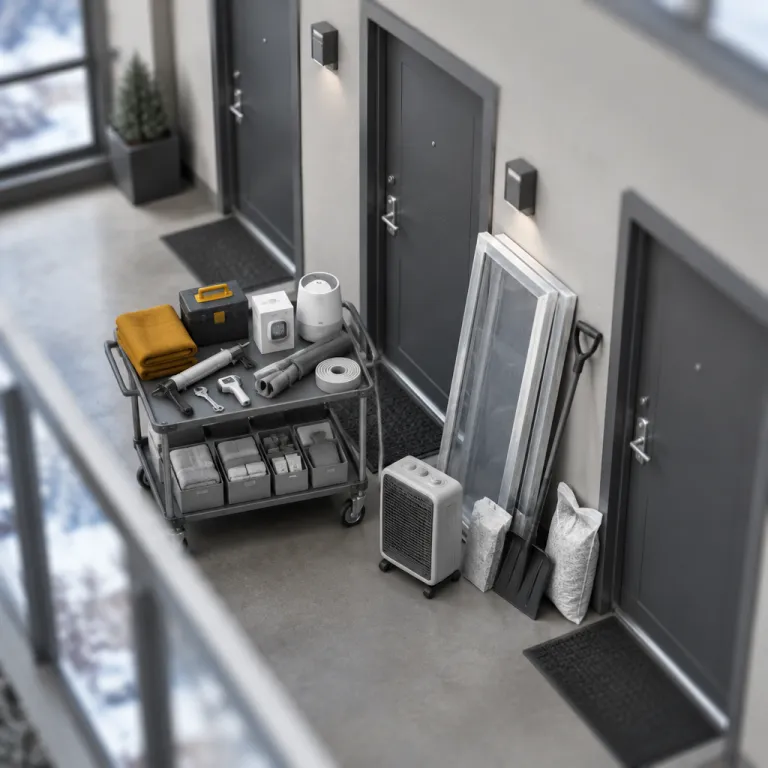
Why winter belongs to the long-stay apartment guest
Winter changes how we travel and how we inhabit space. When temperatures drop and winter weather turns unpredictable, the classic weekend dash gives way to the extended winter apartment stay, with travellers choosing one well equipped apartment over multiple short hops. Operators are quietly shifting their strategy toward guests who want to keep a single set of keys and settle in for weeks rather than nights.
These renters are not just escaping cold weather; they are redesigning their routines around one carefully chosen property where they can work, cook and stay warm while the storm season rolls through. The long winter apartment stay is becoming a lifestyle choice for solo explorers who would rather stock the fridge with good food than rely on room service, and who value a reliable heating system over a flashy lobby. For them, the right apartment feels closer to a long term home than to transient hotel rooms, especially when winter storm forecasts and freezing weather make movement less appealing.
Two archetypes dominate this shift in extended winter rentals: the cultural city base and the milder climate hideaway. In both cases, travellers want enough space to spread out extra blankets, keep perishable food safely stored and open cabinet doors under the sink so exposed plumbing does not freeze. They also expect on site teams to communicate clearly about any emergency procedures if a storm hits or if power cuts threaten heat and hot water, drawing on guidance from agencies such as the National Weather Service.
How luxury operators are redesigning apartments for winter weather
In the premium segment, the smartest property management teams now treat winter as a design brief rather than a low season. They audit every apartment for insulation, check that pipes are protected against freezing, and verify that the heating system can keep temperatures stable even when a winter storm pushes snow and ice against façades. The U.S. Department of Energy notes that proper insulation and air sealing can cut heating and cooling costs by up to 15 percent, a saving that also keeps interiors more comfortable during cold snaps. Guests booking secluded getaways, such as refined apartment hotels in colder mountain or lakeside regions, now expect the same level of winter readiness they would find in well prepared homes.
Operators are also rethinking layouts so that renters can stay put for longer without feeling confined when the weather turns harsh. That means deeper sofas, more generous dining tables for remote work, and discreet storage for extra blankets and emergency supplies like bottled water and non perishable food. In some secluded luxury getaways, similar to the curated retreats highlighted in guides to refined apartment hotels for secluded Idaho stays, owners now brief guests on how to stay safe if a storm hits, including how to use a cell phone as a hotspot when power fails.
Safety is becoming as much a selling point as style in these long winter apartment stays. High end operators install carbon monoxide detectors near gas heating systems and provide clear instructions on what to do if pipes burst or water damage appears during freezing weather, echoing Centers for Disease Control and Prevention advice on preventing cold related illness. They also train staff to respond quickly to any emergency, from a blocked drain to a full winter storm that threatens water lines and access roads, because reputations in this segment are built on how well a property performs when temperatures drop suddenly.
The two winter apartment archetypes: city cocoon and mild-climate hideaway
For many solo travellers, the ideal extended winter apartment stay falls into one of two clear archetypes. The first is the warm city base, where an elegant apartment sits within walking distance of galleries, markets and restaurants, yet feels insulated from winter weather once the door closes. Here, renters want strong heat, double glazing that keeps out street noise and cold air, and a kitchen that turns dark evenings into slow cooking sessions rather than room service calls.
The second archetype is the mild climate escape, where winter still means cooler nights but rarely brings a full winter storm or heavy snow and ice. In these properties, guests care less about burst pipe scenarios and more about outdoor terraces, long lunches and the ability to keep windows open without losing all the warmth. Operators still need to protect plumbing and guard against frozen pipes on the coldest nights, yet the emphasis shifts toward light, airflow and the pleasure of staying warm without overusing the heating system.
Both archetypes share one essential trait: they are designed for people who stay, not just sleep. That means enough storage for extra clothing layers, thoughtful places to keep perishable food and non perishable food separate, and clear guidance on how to stay safe if a rare storm hits and power fails unexpectedly. For travellers seeking secluded luxury getaways, curated collections such as elegant whirlpool suites for secluded luxury getaways show how high end apartments can combine spa like comfort with practical winter resilience, whether in a dense downtown district or a quieter coastal town.
What to check before booking a long winter apartment stay
Booking a long winter apartment stay demands a more forensic approach than a summer weekend. Start with the basics: ask how the heating system is powered, how the property management team monitors pipes for freezing weather, and whether carbon monoxide detectors are installed and tested regularly. You should also confirm that cabinet doors under sinks can be left slightly open to let warm air circulate around water lines during a winter storm, a simple step that energy and safety agencies consistently recommend.
Light matters more than many renters expect when winter weather shortens days and keeps you indoors. Look for apartments with generous windows, good task lighting and flexible work zones so you can stay productive even if a storm hits and you choose to stay inside for several days. It is also worth asking how the property handles emergencies, from water damage caused by frozen pipes to power cuts that might threaten perishable food in the fridge or limit cell phone charging, especially in cities known for heavy snow.
Finally, think like a local who knows how to keep homes comfortable through February cold spells and sudden temperature drops. Pack extra blankets, plan simple food that does not rely entirely on electric appliances, and save key numbers for property management and local services on your cell phone in case an emergency arises. For urban stays, guides such as the one on using a main phone number for a seamless city stay at seamless urban luxury stays show how a single reliable contact can make a winter apartment feel as supported as the best staffed hotels.
FAQ
How is a winter apartment stay better than a traditional hotel stay?
A winter apartment stay gives you more control over heat, light and food, which matters when winter weather keeps you indoors for longer stretches. You can cook, store perishable food properly and keep extra blankets on hand without feeling cramped. For long stays, the ability to spread out and personalise the space makes freezing weather far more tolerable than in a standard hotel room.
What safety features should I check for in a winter apartment?
Ask whether the property has carbon monoxide detectors, regularly serviced heating systems and clear procedures for emergencies such as frozen pipes or power cuts. Check that cabinet doors under sinks can be left open to let warm air reach water lines, which helps prevent burst pipe incidents during a winter storm. It is also wise to confirm that property management can be reached quickly by cell phone if an emergency occurs.
How can I protect my belongings during a winter storm in a rental apartment?
Keep electronics and valuables away from floors and exterior walls in case water damage occurs from leaks or frozen pipes. Store perishable food in sealed containers and have some extra non perishable food in case power fails and the fridge warms. If a storm hits, stay safe by following any building guidance, moving items away from windows and monitoring temperatures inside the apartment.
What should I pack for a long winter apartment stay in February?
Pack layered clothing, indoor shoes, and at least one or two extra blankets to supplement whatever the property provides. Bring a compact emergency kit with a flashlight, a power bank for your cell phone and basic supplies in case winter weather disrupts local services. It is also helpful to carry a small stash of non perishable food so you can stay comfortable if snow, ice or a storm limits your ability to go out.
How do operators prevent pipes and water systems from freezing in luxury apartments?
Responsible operators insulate pipes, maintain steady indoor heat and encourage guests to keep cabinet doors under sinks slightly open during extreme cold. They monitor weather forecasts so they can act before temperatures drop sharply, sometimes asking guests to let taps run slightly to keep water moving. When property management takes these steps seriously, the risk of burst pipe incidents and subsequent water damage is significantly reduced.
Sources
National Weather Service; U.S. Department of Energy; Centers for Disease Control and Prevention.