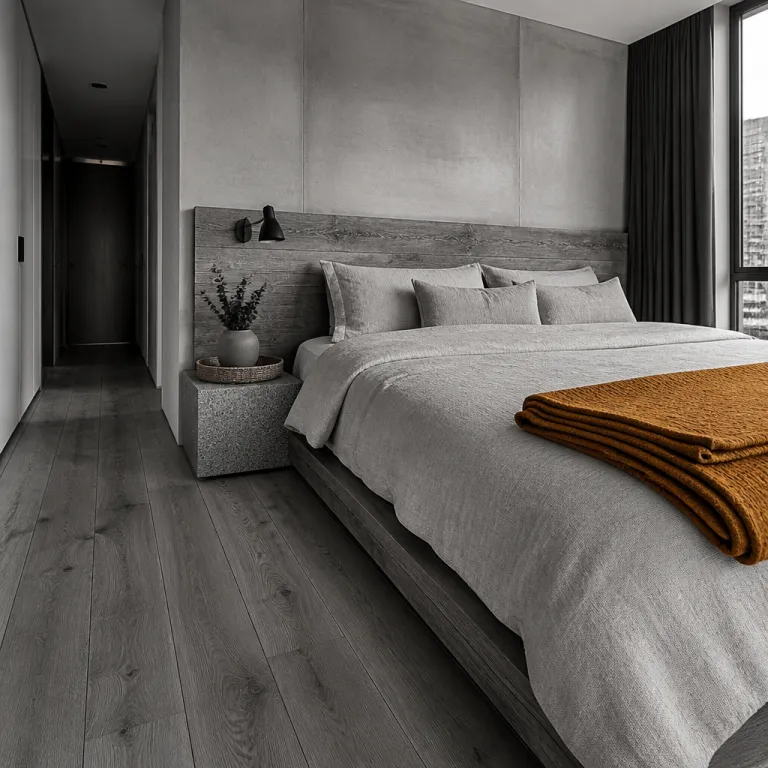
Why restorative luxury in apartments now starts with your sleep
Restorative luxury apartment design well-being is no longer a niche phrase. It describes a shift where design and wellness merge to prioritise how you sleep, think and feel in a space. For solo travellers booking apartment hotels, that shift quietly changes every night of the trip.
The hospitality industry’s own study data is blunt; around 35 percent of adults report sleep issues, according to the American Academy of Sleep Medicine and related surveys, while demand for wellness real estate has risen by roughly 20 percent in recent years, as tracked by the Global Wellness Institute’s sector analysis. That means restorative design is not a styling exercise but a response to measurable health pressures and long term wellbeing needs. When you spend close to 90 percent of your time indoors during extended stays, the interior environment becomes a daily health intervention rather than a neutral backdrop.
Restorative luxury in this context means a wellness focused interior design strategy that treats the apartment as a restorative environment, not a stage set. The design process starts with sleep quality, air quality and acoustic calm, then layers in natural materials, warm color palettes and controlled light. One expert definition captures it clearly: “Design focusing on enhancing sleep and well-being.”
Apartment hotels have a structural advantage over traditional properties because they optimise for living space instead of spectacle. There is no need for a grand lobby, so more floor area can become restorative spaces with generous natural light, quiet bedrooms and flexible living zones. For the solo explorer working remotely or staying several weeks, that balance between physical mental recovery and urban stimulation is what makes a place feel genuinely luxurious.
The sleep-first apartment: what restorative spaces look and feel like
Walk into a sleep-first apartment and the difference is subtle but immediate. The light feels soft rather than glaring, the materials underfoot are warm and natural, and the air smells clean instead of perfumed. You sense that every interior decision has been made to keep your nervous system well regulated rather than visually overwhelmed.
Carillon Miami Wellness Resort on Collins Avenue is a useful case study for travellers scanning listings. Its apartments use Bryte Balance Smart Beds, acoustic optimisation and calming color schemes to support mental physical recovery after long haul flights. Methods such as acoustic design, smart sleep technology and biophilic design elements are not marketing extras; they are the core of a wellness design strategy that treats sleep as the primary amenity.
In practice, restorative environments rely on a tight choreography of light, sound and touch. Circadian lighting systems shift from cool natural light in the morning to warmer tones at night, supporting mental health and physical rest. Soundproofing materials, soft textiles and solid doors create a restorative environment where city noise and corridor chatter stay outside your interior space; well detailed walls and doors can reduce disruptive sound transfer by 20–30 dB, a range supported by common acoustic performance data and building standards, which the ear perceives as a dramatic drop in loudness.
When you browse New York listings, look for apartments where the photos show window orientation, layered lighting and honest materials rather than only statement décor; this kind of restorative New York apartment guide is explored in depth in a detailed look at where to find the light, the kitchen and the neighbourhood. Notice whether the bedroom is shielded from the living area, whether the kitchen sits in natural light, and whether indoor plants appear as part of the interior design rather than as props. These are small but telling signals that the apartment has been planned as a wellness interior, not just a photogenic backdrop.
Materials, air and quiet: the invisible layers of wellness design
The most restorative luxury apartment design well-being features are often the ones you cannot photograph easily. Natural materials, low VOC finishes and carefully tuned air quality shape how you sleep and how your body recovers from travel stress. For solo travellers who work, cook and rest in the same interior, these invisible choices matter more than marble or chrome.
Design firms such as Symbiotic Living specialise in acoustic environments where silence is treated as a wellness resource. Their projects show how restorative spaces depend on layered sound control: dense wall construction, insulated floors and soft furnishings that absorb echoes. When an apartment hotel invests in this level of wellness focused acoustic design, you feel it the first time a neighbour closes a door and you barely hear a thing.
Air quality is another non negotiable pillar of restorative environments. Look for listings that mention filtered ventilation, operable windows and low VOC paints or sealants, because these details reduce long term exposure to indoor pollutants. Certifications such as GREENGUARD Gold or Green Seal, and references to MERV-rated filters, are practical indicators that materials and systems have been tested for emissions. When natural ventilation combines with indoor plants and natural materials such as wood, linen and stone, the apartment becomes a restorative environment that quietly supports both physical mental health and emotional balance.
At the very top end, interior designers now allocate more budget to mattresses, pillows and acoustic insulation than to showpiece bathrooms. Projects such as the residences at Mandarin Oriental, profiled in this deep dive into exceptional serviced homes, illustrate how wellness design is reshaping luxury expectations. The message is clear; the most valuable square metres in any apartment are the ones where you actually sleep, not the ones that photograph well for social media.
Biophilic interiors and emotional calm: bringing nature into the city stay
Restorative luxury apartment design well-being also depends on how convincingly an interior reconnects you with nature. Biophilic design is the discipline that weaves natural light, views, textures and patterns into everyday spaces to reduce stress and support health. In an apartment hotel, that might mean a leafy balcony, a view of water or simply a well placed armchair in a sunlit corner.
For solo travellers, the emotional effect of a wellness interior can be profound. A small study area with a desk facing a window, framed by indoor plants and natural materials, can turn remote work into a calmer ritual. When the color palette stays warm and muted, and when daylight reaches deep into the space, your mental health benefits from a constant, gentle connection to nature.
Interior designers who specialise in restorative environments often talk about “restorative spaces” rather than rooms. They think in sequences: the way you move from a bright kitchen with natural light into a darker, cocooned bedroom that signals rest. Articles such as this exploration of biophilic design in luxury apartment stays show how connection to nature can be engineered even in dense urban environments.
For the traveller, the checklist is simple but precise. Look for indoor plants that appear healthy and integrated, not decorative afterthoughts, and for materials like timber, rattan and stone that age well and feel warm to the touch. When these biophilic design cues align with good air quality and quiet, you get a restorative environment where both mental physical recovery and emotional reset happen almost without effort; guest reviews that mention feeling calmer, sleeping deeply and “forgetting the city outside” are often the clearest proof.
How to read listings: booking for restorative luxury, not just style
Translating restorative luxury apartment design well-being into a booking decision means learning to read between the lines of listings. The photos show you color and furniture, but the text often hides the real wellness clues. A careful traveller reads for light, materials, air and quiet before thinking about amenities.
Start with the windows and orientation; multiple exposures, floor to ceiling glazing and references to sunrise or sunset views usually mean better natural light and a stronger connection to nature. Next, scan for mentions of natural materials, low VOC paints, soundproofing or wellness focused features such as smart beds and blackout shades. “How do smart beds improve sleep quality? They adjust firmness and track sleep patterns.”
Pay attention to how the host or operator describes the interior design. Phrases such as “quiet bedroom at the rear”, “separate study space” or “acoustic insulation” suggest a restorative environment designed for both work and rest. When you see references to wellness design, air quality systems or collaboration with specialist interior designers, you can reasonably expect restorative spaces rather than purely decorative ones.
Finally, cross check reviews for comments about noise, mattress comfort and temperature control, because these are the lived tests of any wellness interior. If multiple guests mention sleeping well, feeling less stress or appreciating the warm, calm atmosphere, you are likely looking at a property where restorative environments are more than a design story. For solo explorers who measure a city by the mornings they make their own coffee, that kind of sleep-first apartment is the real definition of luxury.
Quick checklist for booking a restorative apartment
- Natural light: multiple windows, clear mention of views, and photos taken in daylight.
- Quiet sleep: references to soundproofing, rear-facing bedrooms or acoustic design.
- Air quality: filtered ventilation, operable windows, low VOC finishes or air-quality certifications.
- Sleep technology: quality mattresses, smart beds, blackout shades and temperature control.
- Biophilic cues: healthy indoor plants, natural materials and a calm, warm color palette.
FAQ
What is restorative luxury in apartment design?
Restorative luxury in apartment design means planning the interior around sleep quality, mental health and physical recovery rather than visual drama. It combines wellness design principles, natural materials and controlled light to create restorative spaces that actively support wellbeing. In apartment hotels, this approach turns each stay into a short, focused reset rather than just a change of address.
How do smart beds improve sleep quality in apartment hotels?
Smart beds such as Bryte Balance models use sensors and adaptive support to respond to your body during the night. They can adjust firmness, temperature and pressure zones in real time, which helps reduce tossing, turning and joint stress. As the dataset states; “They adjust firmness and track sleep patterns.”
Why is acoustic design important for restorative apartments?
Acoustic design is crucial because unwanted noise is one of the main disruptors of deep sleep and emotional calm. Proper soundproofing, insulated walls and soft finishes create a restorative environment where city sounds and neighbour activity fade into the background. In the words of the expert material; “Reduces noise, promoting uninterrupted rest.”
How can I tell if an apartment has good air quality and low VOC materials?
Look for listing descriptions that mention filtered ventilation, operable windows, low VOC paints or certifications related to indoor air quality. References to natural materials such as solid wood, stone and natural fabrics often indicate fewer synthetic finishes and better long term emissions performance. Guest reviews that mention fresh air, lack of chemical smells and feeling well rested are another strong indicator.
Are wellness focused apartments worth the higher nightly rate?
For many solo travellers, wellness focused apartments justify a higher rate because they improve sleep, productivity and overall wellbeing during the stay. Features such as natural light, acoustic privacy, quality mattresses and biophilic design reduce stress and support both mental physical health. When you factor in long term benefits like better focus and less fatigue, restorative luxury often delivers more value than purely decorative upgrades.