From former hotel room to true residential design luxury apartment stay
The most interesting residential design luxury apartment stay rarely begins with a blank canvas. In Minneapolis, at 510 Groveland, designer Andrew Flesher took former hotel rooms inside a historic apartment building and turned them into a quietly radical luxury apartment that feels entirely residential. That project has become a reference point for travelers who want apartments and hotel residences that feel like real homes, not themed sets.
Flesher worked with homeowner Anne Wethington to strip back the hotel design logic and rethink the layouts as if the apartment had always been a private residence. The renovation used architectural redesign, structural modifications and careful interior decoration to open the living area, enhance natural light and create a more fluid living room that supports both short term stays and long term living. The result shows how adaptive reuse in architecture can turn anonymous hotel buildings into characterful serviced apartments where guests feel instantly grounded in the city.
The story of 510 Groveland is also a story about priorities in modern residential design. Instead of a corridor of identical hotel rooms, you now have one generous apartment design with a functional kitchen, a separate living space and a dining corner that respects the original building proportions. The project demonstrates that the best luxury residences for travelers often start life as something else, then evolve through thoughtful interior design into spaces that support real living rather than transient overnights.
How restorative luxury reshapes the apartment hotel experience
Across the most interesting hotel residences, a new philosophy is emerging that puts restorative luxury ahead of spectacle. Designers talk less about statement lobbies and more about how a residential design luxury apartment stay can support circadian rhythms, quiet evenings and slow mornings in the living room. This shift is especially clear in serviced apartments where couples want separate living and sleeping zones that feel like a considered home, not a repackaged hotel suite.
Restorative luxury starts with light, and the Minneapolis renovation is a textbook example of how to increase natural light in apartments. As one expert explanation puts it, “Use larger windows and open layouts.” That simple principle, combined with warm layered lighting in the living area and bedroom, allows guests to tune the interior atmosphere from bright city facing mornings to cocooned nights, which is a very different ambition from traditional hotel design that often prioritizes uniform brightness over nuance.
Acoustic comfort and spatial flow matter just as much as lighting in these modern residences. Open floor plans are used strategically so that the kitchen and living area feel connected, while furniture placement still creates a sense of separate living zones for work, reading and dining. For couples booking a residential design luxury apartment stay, this kind of design luxury is not about marble and mirrors ; it is about moving through the space without friction, sleeping well and waking up feeling that the architecture has quietly supported their well being rather than performed for their attention, a theme we explore further in our guide to restorative luxury in apartment design.
What separates a lived in apartment from a dressed up hotel room
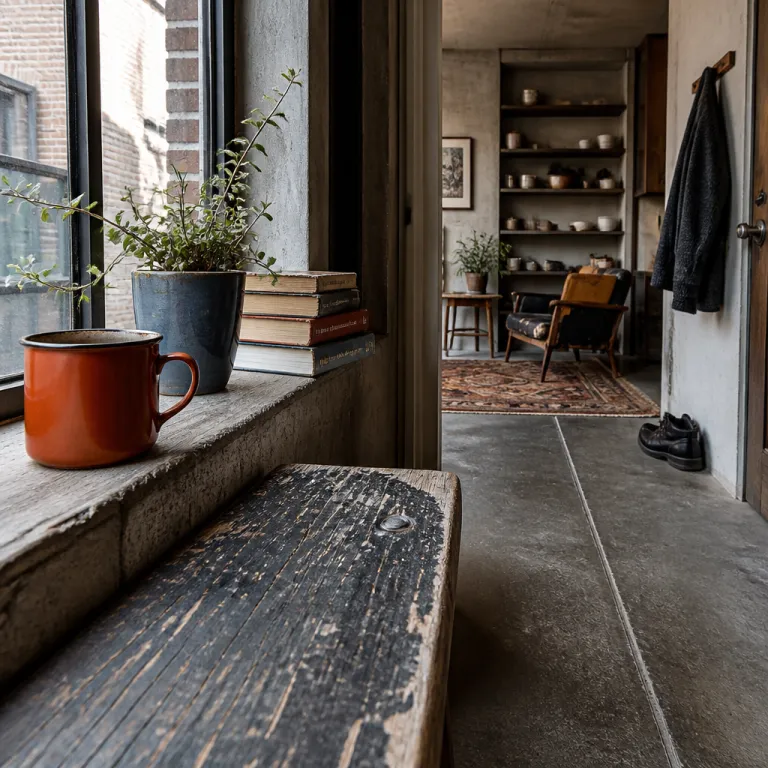
When you walk into a genuine residential design luxury apartment stay, the difference from a hotel is immediate. The living room usually holds real books, art chosen for that specific wall and a sofa that invites you to stretch out rather than perch for a quick email. In the best luxury apartment examples, the interior design feels edited but not staged, as if the owner has just stepped out to the local market and left you the keys.
Material choices tell the same story of quiet confidence over showmanship. Instead of glossy surfaces that photograph well but age badly, you see natural wood, tactile textiles and stone that will patinate gracefully across many short term stays. Where a hotel might invest in a dramatic lobby sculpture, these apartments and hotel residences invest in a generous kitchen island, a window facing writing desk with natural light and a bathroom where the fixtures feel closer to a high end home than a commercial property, a standard we also examine in our feature on refined bathroom comfort and luxury amenities.
Even the way services are handled reinforces the residential character of these apartments. Instead of a minibar, you might find a thoughtfully stocked pantry and a small wine rack that reflects the city you are staying in, which subtly shifts how guests feel about evenings at home. Cleaning schedules are less intrusive, privacy is greater than in many hotels and the apartment building often has shared amenities that feel like a private club rather than a public lobby, which is exactly what many couples now seek when they choose apartment buildings over conventional hotels.
Designing layouts that couples actually live in, not just sleep in
For couples, the most successful residential design luxury apartment stay is one that understands how two people really move through a space. That means layouts that allow one person to make coffee in the kitchen while the other reads in the living area without feeling exiled to a corner. It also means that the bedroom, bathroom and living room are planned as a sequence of experiences rather than a cluster of furniture.
In the Minneapolis case study, the former hotel rooms were combined into a single apartment with a more generous living area and a better relationship between private and social zones. The design team used open concept planning to connect the kitchen and living room, while still carving out a dining niche that feels intimate for two but can stretch to host friends, which is a hallmark of thoughtful apartment design in dense city contexts. This kind of spatial intelligence is what separates the best serviced apartments from generic hotel rooms with a microwave and a sofa bed.
Couples also respond strongly to the way residential design handles storage, work surfaces and circulation. A well planned luxury apartment will hide luggage in built in wardrobes, provide a compact but comfortable desk with natural light and keep the main pathways clear so that moving around feels effortless. When apartment buildings and hotel residences get these details right, guests feel less like temporary occupants and more like residents who have briefly joined the local real estate story, which is precisely the emotional shift that keeps them returning to apartments instead of defaulting to hotels.
How to choose your next residential design luxury apartment stay
When you browse apartment listings on a booking platform, look past the headline images and study the architecture of the space. Ask whether the apartment building was originally designed as residences or converted from hotels, because adaptive reuse projects like 510 Groveland often blend historical architecture with modern interior design in particularly satisfying ways. Pay attention to the floor plan if it is available ; the best apartments for couples will show a clear separation between the sleeping zone and the main living area, even in compact city footprints.
Photographs reveal a lot about whether a place is a true residential design luxury apartment stay or a lightly disguised hotel. Look for evidence of real living, such as a proper dining table, a kitchen with enough equipment to cook, layered lighting rather than a single ceiling fixture and a living room that can host more than two people without feeling cramped. If the images read like a design magazine spread with no books, no textiles and no signs of everyday life, you may be looking at a space that prioritizes styling over comfort.
Responsible platforms will also make their privacy policy and terms of service easy to find, which matters when you are booking serviced apartments or hotel residences for a short term city break. Before confirming, check guest reviews for comments about natural light, noise levels and how guests feel about the neighbourhood, not just the décor. For travelers who care about design luxury and sustainability, it is also worth seeking properties that use natural materials and energy conscious lighting, themes we explore in depth in our feature on eco friendly luxury accommodation, because the most satisfying apartments now combine aesthetic pleasure with environmental responsibility.
FAQ
What is adaptive reuse in architecture for apartment hotels ?
Adaptive reuse in architecture means repurposing old buildings for new uses, such as turning former hotels into residential apartments or serviced apartments. In the context of a residential design luxury apartment stay, adaptive reuse can preserve a city landmark while creating modern interiors that suit contemporary living. Projects like the conversion at 510 Groveland show how an older apartment building can gain new life as design forward hotel residences without losing its original character.
How can design increase natural light in apartments used for travel stays ?
Designers increase natural light in apartments by opening layouts, enlarging windows and choosing reflective interior finishes that bounce daylight deeper into the space. In practice, this might mean removing internal walls between the kitchen and living room, using glass partitions for separate living zones or aligning the main living area with the brightest façade of the building. For guests, more natural light makes a residential design luxury apartment stay feel larger, calmer and more connected to the city outside.
Why do couples often prefer serviced apartments over traditional hotels ?
Couples frequently choose serviced apartments because they offer separate living and sleeping areas, proper kitchens and layouts that support real daily routines. A well designed luxury apartment allows one partner to work in the living area while the other rests in the bedroom, something many hotels cannot provide without upgrading to a large suite. This residential design approach makes guests feel more at home, especially on short term stays where cooking, lounging and working all happen in the same interior.
What should I look for in the layout of a luxury apartment for a city break ?
For a city break, focus on layouts that balance openness with privacy, such as an open plan living room and kitchen paired with a clearly defined bedroom. Check that the living area has comfortable seating, good lighting and enough space for both of you to relax without crowding each other. A strong residential design luxury apartment stay will also provide practical storage, a functional work surface and circulation paths that feel intuitive from the moment you enter the apartment.
How do privacy policy and terms of service matter when booking apartment residences ?
When booking apartment residences or serviced apartments, the platform’s privacy policy and terms of service explain how your données are handled and what protections you have as a guest. Clear terms privacy help you understand cancellation rules, real estate ownership structures and how issues in the apartment building will be resolved during your stay. For a stress free residential design luxury apartment stay, it is worth choosing providers whose policies are transparent, easy to read and aligned with your expectations about security and confidentiality.